
Your cart is empty
This quantity of item cannot be added to the cart
Continue shopping
Mobility Scooters
4.8on Trustindex
browsing now
Order before 2pm for same-day dispatch
2766+ orders this week
-
 Quick view
welzo-3
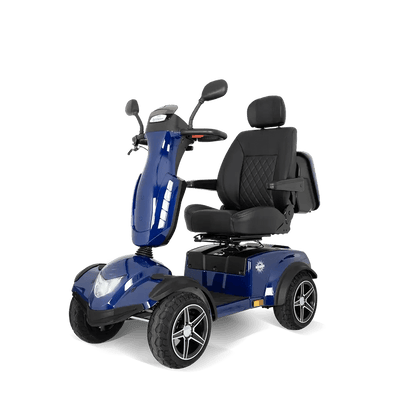
Ignite 8mph Sport Mobility Scooter
Mobility Scooter£ 3,475.00UK delivery soon
Order within 2h 14m
Out of stock
Authentic 30-day returns 12 viewing -
 Quick view
welzo-3
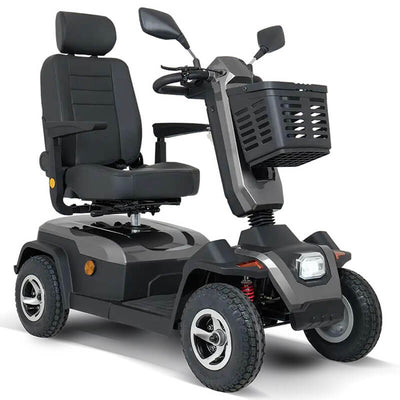
Savvy 8 Plus 8mph Mobility Scooter
Mobility Scooter£ 2,895.00UK delivery soon
Order within 2h 14m
Out of stock
Authentic 30-day returns 12 viewing -
 Quick view
welzo-3
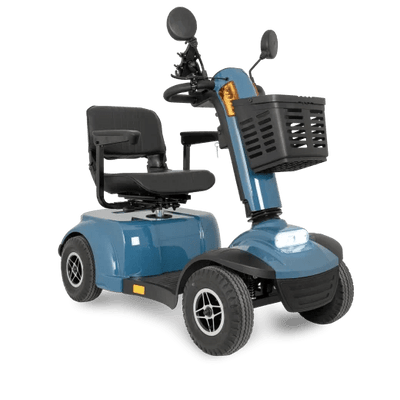
Savvy 4, 4mph Compact Mobility Scooter
Mobility Scooter£ 1,575.00UK delivery soon
Order within 2h 14m
Out of stock
Authentic 30-day returns 12 viewing -
 Quick view
welzo-3
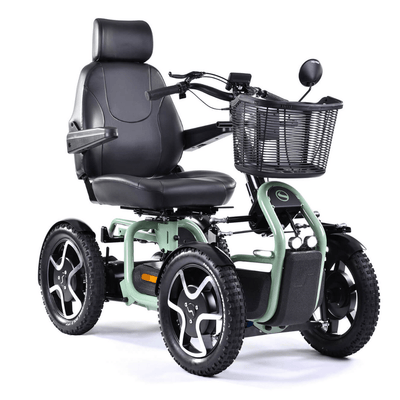
SCOOZY Sterling S800 -8 mph Mobility Scooter
Mobility Scooter£ 5,990.00UK delivery soon
Order within 2h 14m
Out of stock
Authentic 30-day returns 12 viewing
Mobility Scooters
Choose a mobility scooter by type first, then compare the individual models. This collection includes compact scooters that fold or come apart for transport, as well as larger models.
Specifications, features and stock vary between models, and not every listing includes every measurement. Check the product page for the scooter you are interested in, and ask us before you order if a detail you need is missing.
Types of mobility scooter
Mobility scooters are usually grouped by size and by how they are meant to be used. The descriptions below are general, and individual models differ.
Folding and travel scooters
Folding and travel scooters are compact models designed to fold for storage or for carrying in a car. They are generally intended for pavements and other pedestrian areas rather than roads. Weight, folded size and the way each model folds all vary, so compare them before choosing.
Boot scooters that come apart
Boot scooters, sometimes called transportable scooters, are designed to separate into several pieces, such as the seat, battery and main frame, so they can be lifted into a car boot one piece at a time. When comparing them, the weight of the heaviest piece matters as much as the total weight.
Larger pavement and road scooters
Larger scooters are heavier and are generally not designed to be lifted into a car. Some are Class 2 pavement scooters and others are Class 3 scooters that can also be used on the road. The next section covers the difference.
All-terrain scooters
All-terrain scooters are designed for rougher surfaces, such as grass, gravel and uneven paths. Tyres, suspension and ground clearance differ between models.
Class 2 and Class 3 mobility scooters
The class of a mobility scooter affects where it can be used and whether it needs to be registered. According to GOV.UK, a mobility scooter is usually:
- Class 2 if it has a maximum speed of 4 mph or less. Class 2 scooters can be used on pavements, other pedestrian areas and cycle tracks.
- Class 3 if it has a maximum speed of 8 mph. Class 3 scooters can be used in the same places and on the road, and must be registered with DVLA.
Neither class can be used in cycle lanes. Check the class or top speed stated for the model you want, and read the GOV.UK guidance on mobility scooter classes for the full rules.
If you need to transport your scooter
If the scooter needs to travel in a car or be stored in a small space, start with the scooters designed for that:
- Browse folding mobility scooters for models that fold for storage and travel.
- Compare car boot mobility scooters if carrying the scooter in your car is your main requirement.
Before you buy, measure your car boot opening and floor, and compare them with the folded or dismantled size on the product page. Check how much the heaviest piece weighs and whether a stated weight includes the battery, as listings do not all measure weight in the same way.
How to compare scooters
Range
Range is the distance a scooter can travel on a full charge, as stated for that model. Choose a range comfortably longer than the longest round trip you make regularly.
Maximum user weight
Check that the maximum user weight suits the user, allowing for anything carried regularly, such as shopping.
Terrain
Think about the surfaces you will use most. Smaller scooters are generally designed for smooth, level ground. For kerbs, slopes, grass or gravel, look for a model whose product page covers those conditions.
Storage and charging
Plan where the scooter will be kept and charged. A removable battery, where a model has one, can be charged indoors while the scooter stays in a shed or garage. If space at home is tight, check the scooter's length and turning radius where they are listed.
What to check on the product page
On each product page, check:
- the class or intended use, and the top speed
- the stated range and battery type
- the maximum user weight
- the scooter's weight, and whether that figure includes the battery
- the folded or dismantled size and the weight of the heaviest piece, if you need to transport it
- whether the battery is removable
- tyres, suspension and ground clearance, if you will use rougher surfaces
- that the details apply to the option you select, as figures can differ between versions of the same model
Mobility scooter FAQs
What is a mobility scooter?
A mobility scooter is a battery-powered vehicle with a seat, driven using hand controls, for people who have difficulty walking. Models differ in size, number of wheels, speed and how easily they can be transported.
Do I need to register or insure a mobility scooter?
GOV.UK's registration requirement applies to Class 3 scooters, not Class 2. You do not need to pay vehicle tax on a scooter registered with DVLA as a mobility scooter. Insurance is not required for Class 2 or Class 3 scooters, although GOV.UK recommends it.
How far can a mobility scooter go on one charge?
It depends on the model. Each scooter's range is stated on its product page, but the distance you actually get can be lower, depending on the user's weight, hills, rough or soft ground, cold weather, and the age and condition of the battery.
How much does a mobility scooter cost?
Prices vary with the type of scooter, its size and battery, and its features. The current price of each model is shown on its product page. Compare prices between scooters of the same type, because a compact folding scooter and a large all-terrain scooter are built for different uses.
 Rated Excellent by 26,523+ Reviews
 100% Money Back Guarantee