
Your cart is empty
This quantity of item cannot be added to the cart
Continue shopping
Shaving Creams
4.8on Trustindex
browsing now
Order before 2pm for same-day dispatch
2766+ orders this week
-
 Quick view
The Merchant Of Venice
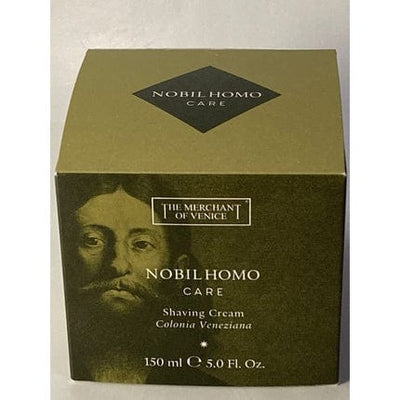
The Merchant of Venice Nobil Homo Shaving Cream Colonia Veneziana 150ml
Health & Beauty£ 15.69UK delivery soon
Order within 2h 14m
Out of stock
Authentic 30-day returns 12 viewing
Shaving Creams
Shaving creams are cushioning, lubricating formulas designed to soften hair and protect the skin during shaving. A good shaving cream helps your razor glide with less friction, making it easier to achieve a close shave while reducing the likelihood of tugging, redness, and razor burn.
What Are Shaving Creams?
Shaving creams are wet-shaving products that create a protective layer between the blade and the skin. They typically lather into a creamy foam (by hand or with a brush), helping hair absorb water and swell slightly—so it cuts more cleanly—while keeping the skin feeling comfortable during and after the shave.
Benefits & Features of the Shaving Creams Collection
A well-formulated shaving cream is about more than “foam”—it’s about glide, cushion, and skin feel. Many formulas include humectants and emollients that keep skin from feeling tight after rinsing, plus calming ingredients to support a cleaner, smoother finish. If your skin tends to react easily, choosing options from Sensitive Skin Shaving Products can help prioritise comfort without sacrificing closeness.
Why Shaving Creams Are Important
Dry shaving (or shaving with insufficient lubrication) increases friction, which can lead to micro-irritation, visible redness, and a rougher result. Shaving creams reduce drag and help the blade move predictably—especially important on contoured areas like the jawline, neck, knees, and underarms. When paired with sharp, reliable Razor Blades, you’ll usually notice less pulling and fewer “over-shaving” passes.
Best Products in Shaving Creams
The “best” shaving cream depends on your hair thickness, skin type, and preferred shaving style. Dense, creamy formulas tend to suit coarse hair and traditional wet shaving, while lighter creams can feel better for daily shaves. If you like a classic barbershop routine, combining shaving cream with Shaving Soaps can help you tailor lather richness and slickness to your preference (cream for cushion, soap for structure).
How to Use Shaving Creams
For consistently smooth results, technique matters just as much as product:
- Prep with warm water: A warm shower or face rinse softens hair and helps the cream spread evenly.
- Lather properly: Work the cream into a dense, glossy lather—thin foam usually means less protection.
- Use light pressure: Let the blade do the work; heavy pressure increases irritation risk.
- Shave in passes: Start with the grain, then re-lather for additional passes if needed.
- Finish with soothing care: After rinsing, calm skin with Aftershave Balms to support comfort and reduce post-shave tightness.
Side Effects or Interactions
Most shaving creams are well tolerated, but irritation can occur—especially with added fragrance, certain preservatives, or if you shave over compromised skin. If you experience stinging, redness, or bumps, consider switching to Fragrance-Free Shaving Products and avoid shaving immediately after harsh exfoliation. For reactive or freshly shaved skin, keeping a simple soothing option from Skin Soothing Products can be helpful for calming flare-ups.
What Are the Different Types of Shaving Creams Available?
Shaving creams come in several formats, each suited to different routines:
- Traditional brush creams: Often richer, ideal for building dense lather and extra cushion.
- Brushless creams: Faster application, great for everyday shaves.
- Natural/clean-leaning formulas: Often prioritise simpler ingredient profiles—browse Organic Shaving Creams if that’s your preference.
- Essential-oil and sensory blends: For a more ritual feel, Aromatherapy Shaving Products can add a calmer, spa-like finish.
What Are the Most Popular Shaving Creams Products Available?
Popular shaving creams tend to share a few traits: they lather quickly, rinse clean without leaving residue, and strike a balance between cushion (protection) and slickness (glide). Many shoppers also build a full routine around their shaving cream—adding a skin-friendly finish using Aftershave Lotions for a lighter, fast-absorbing post-shave feel.
Statistics, Research, Expert Information & Quotes
From a practical skincare perspective, most shaving discomfort comes down to friction and barrier disruption. Hydrating lathers and post-shave soothing steps help reduce that cycle—especially for those who shave frequently. If you’re prone to bumps or irritation, reducing passes (thanks to better glide) and supporting the skin barrier afterwards can be as important as the razor itself.
How We Select Our Shaving Creams Collection
We prioritise shaving creams that deliver consistent glide, build a protective lather, and suit real-world routines—whether you shave daily or occasionally. We also consider how well a shaving cream fits into a complete grooming system, including compatible tools and complementary products. If you prefer a curated “barber finish” experience, our Barbershop-Quality Shaving Products range helps you build a more traditional setup around your core cream.
Trusted & Verified Quality
We focus on clear product information and quality expectations across the collections we offer. You can learn more about the people and standards behind our curation here: Welzo Staff, Ingredient Quality, Purity & Certifications, and Supplement Quality Standards & Certifications.
Customer Reviews
To see verified feedback from customers, visit our reviews page: Welzo Reviews.
Expert Guidance
If you want help choosing the right shaving cream style (and what to look for in terms of lather, comfort, and skin finish), this guide is a useful reference: 5 Best Shaving Creams for Men.
FAQs
What is the difference between shaving cream and shaving gel?
Shaving creams typically provide richer cushion and a creamier lather, while gels often feel lighter and may offer more visibility while shaving.
Are shaving creams good for sensitive skin?
They can be, especially if they’re fragrance-free and formulated with calming ingredients. Patch testing is a good idea if you’re prone to reactions.
Do I need a shaving brush to use shaving cream?
Not always. Some creams are brushless, while traditional creams perform best when lathered with a brush for extra cushion.
How much shaving cream should I use?
Enough to create a dense, glossy layer across the shaving area. Too little product can reduce glide and increase irritation risk.
How can I reduce razor burn when using shaving cream?
Use warm water prep, avoid pressing too hard, shave in fewer passes, and rinse with cool water before applying a soothing post-shave product.
Can I use shaving cream on my body as well as my face?
Yes. Many shaving creams work well for legs, underarms, and other body areas, especially where extra glide is needed.
Should I shave with or against the grain?
Start with the grain to reduce irritation. If you need a closer result, re-lather and try a gentle second pass across or against the grain only if your skin tolerates it.
Can shaving cream cause breakouts?
It can in some people, particularly if the formula is heavy or fragranced. If you’re acne-prone, choose lighter, non-comedogenic-leaning formulas and rinse thoroughly.
 Rated Excellent by 28,951+ Reviews
 100% Money Back Guarantee