
Your cart is empty
This quantity of item cannot be added to the cart
Continue shopping
Best Shaving Products
4.8on Trustindex
browsing now
Order before 2pm for same-day dispatch
2766+ orders this week
-
 Quick view
Gillette
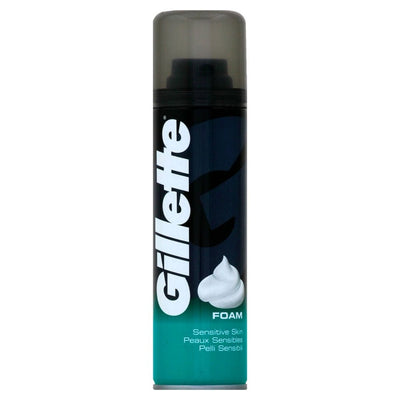
Gillette Shaving Foam Sensitive Skin 200ml
Shaving Cream£ 2.75UK delivery soon
Order within 2h 14m
In Stock
Authentic 30-day returns 12 viewing -
 Quick view
Gillette
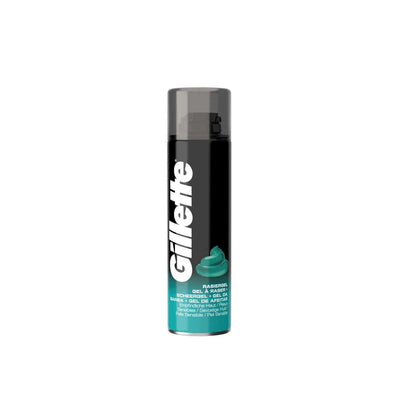
Gillette Shaving Gel For Sensitive Skin 200ml
Shaving Cream£ 2.58UK delivery soon
Order within 2h 14m
In Stock
Authentic 30-day returns 12 viewing -
 Quick view
Maurer & Wirtz
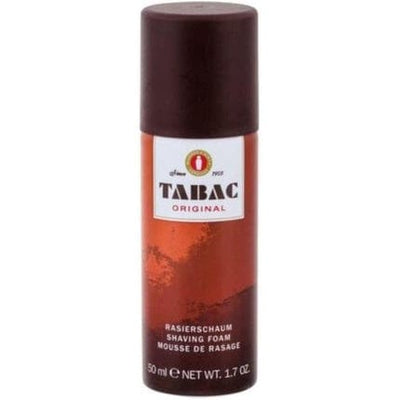
Tabac Original Shaving Foam 50ml Travelsize
Health & Beauty£ 3.00UK delivery soon
Order within 2h 14m
Out of stock
Authentic 30-day returns 12 viewing -
 Quick view
The Merchant Of Venice
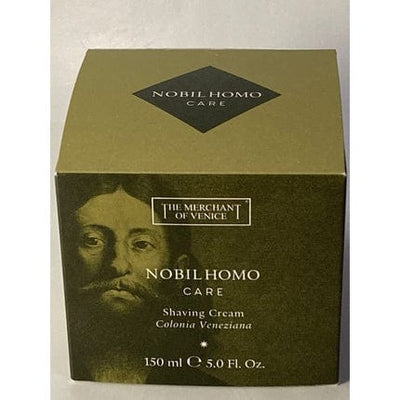
The Merchant of Venice Nobil Homo Shaving Cream Colonia Veneziana 150ml
Health & Beauty£ 15.69UK delivery soon
Order within 2h 14m
Out of stock
Authentic 30-day returns 12 viewing -
 Quick view
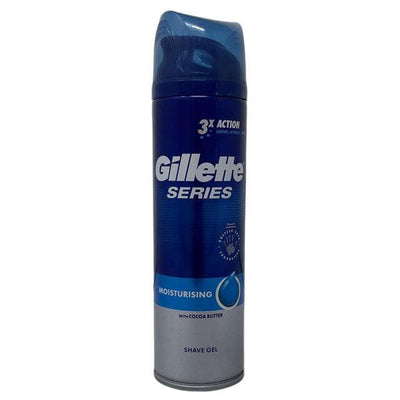
Gillette
Gillette Series Moisturising Shaving Gel 200ml
Shaving Cream£ 3.91UK delivery soon
Order within 2h 14m
In Stock
Authentic 30-day returns 12 viewing -
 Quick view
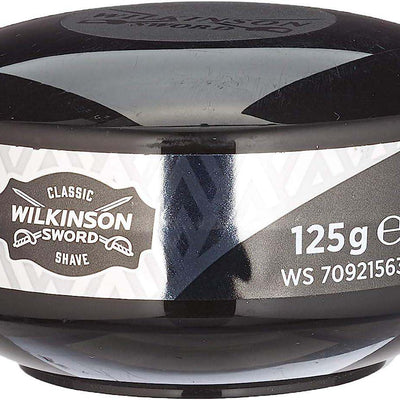
Wilkinson Sword
Wilkinson Sword Shaving Soap Bowl 125g
Soap Dishes & Holders£ 4.32UK delivery soon
Order within 2h 14m
In Stock
Authentic 30-day returns 12 viewing -
 Quick view
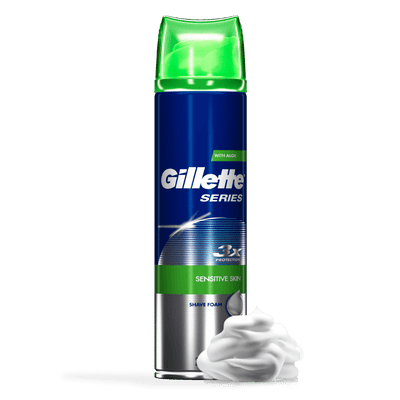
Gillette
Gillette Series Shaving Foam Sensitive Skin 250ml
Shaving Cream£ 4.43UK delivery soon
Order within 2h 14m
Out of stock
Authentic 30-day returns 12 viewing -
 Quick view
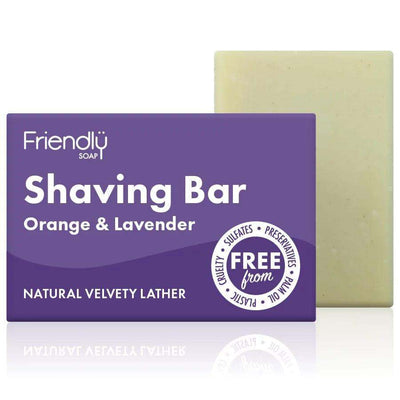
Friendly Soap
Friendly Soap Shaving Soap Orange & Lavender 95g
Bar Soap£ 4.25UK delivery soon
Order within 2h 14m
In Stock
Authentic 30-day returns 12 viewing -
 Quick view
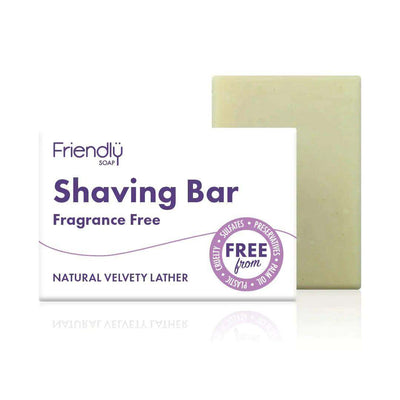
Friendly Soap
Friendly Soap Shaving Bar Fragrance Free 95g
Bar Soap£ 3.86UK delivery soon
Order within 2h 14m
In Stock
Authentic 30-day returns 12 viewing -
 Quick view
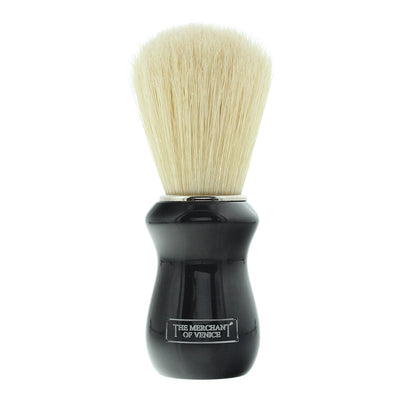
The Merchant of Veni
The Merchant Of Venice Black Shaving Brush
Health & Beauty£ 22.06UK delivery soon
Order within 2h 14m
Out of stock
Authentic 30-day returns 12 viewing
Best Shaving Products
Shaving products are designed to help you achieve a closer, smoother shave while protecting the skin from friction, dryness, and irritation. Whether you shave daily or occasionally, the right routine can improve comfort, reduce razor burn, and leave skin feeling calmer and more balanced.
This collection focuses on performance-first essentials: products that soften hair, improve glide, and support post-shave recovery. It includes options for different skin types, shaving styles, and preferences, from traditional wet shaving to quick, everyday grooming.
If you want a shave that feels cleaner and looks more polished, start with a system (prep, shave, soothe) rather than relying on a single product. The right combination of formulas and tools tends to make the biggest difference.
What Is a Shaving Product?
Shaving products are creams, soaps, gels, and supportive aftercare items used to prepare the skin and hair for shaving, reduce friction during the shave, and soothe the skin afterwards. Many routines also include tools and accessories such as razors, blades, and beard care to help improve precision and comfort throughout the process.
Benefits and Features of the Best Shaving Products Collection
- Better glide, fewer mistakes: Quality formulas create a protective layer that helps the blade move smoothly and predictably.
- Less irritation: Proper cushioning and hydration can reduce redness, tightness, and post-shave discomfort.
- Cleaner finish: Well-matched products support a closer shave with fewer missed patches and less tugging.
- Routine flexibility: Options range from traditional shaving soaps to quick-rinse shaving gels, plus aftercare for different skin needs.
Why Are Shaving Products Important?
Shaving is mechanical exfoliation. That can be helpful, but it also increases the risk of barrier disruption when the skin is dry, the blade is dull, or the glide is poor. Using the right product helps soften hair and reduce drag, which is one of the most common reasons for razor bumps and redness.
If your skin reacts easily, choosing purpose-built options like sensitive skin shaving products can make shaving feel significantly calmer, especially around the neck and jawline where irritation is common.
Best Products in Best Shaving Products
A strong shaving setup usually includes a prep-and-glide product, a dependable razor system, and post-shave recovery. For glide and cushioning, many people prefer richer shaving creams for a more protective shave, while others like clear gels for visibility around edges and lines.
Tool choice matters too. A well-maintained safety razor can offer a close shave with good control, while disposable razors can be convenient for travel and quick routines. Whichever you choose, pairing it with sharp razor blades reduces tugging and helps prevent uneven results.
For aftercare, soothing formulas like aftershave lotions are ideal when you want lightweight comfort, while richer options like aftershave balms can help when skin feels dry or reactive.
How to Use Shaving Products?
For a smoother shave with less irritation, focus on consistency and technique:
- Prep: Use warm water to soften hair. If your skin is prone to buildup or oil, cleansing first with cleansing face washes can help create a cleaner surface for shaving.
- Apply glide: Work shaving cream/soap/gel into an even layer and let it sit for 30–60 seconds to soften hair further.
- Shave with control: Use light pressure and short strokes. Start with the direction of hair growth, especially on sensitive areas.
- Rinse and soothe: Rinse with cool water, then apply aftershave care to calm the skin barrier.
Side Effects or Interactions of Shaving Products
Most shaving products are well tolerated, but irritation can happen if your skin reacts to fragrance, certain preservatives, or strong essential oils. If you frequently experience redness or stinging, consider switching to fragrance-free shaving products and introduce new products one at a time.
If you are combining shaving with other active skincare (like exfoliating acids or retinoids), shave on nights you are not applying strong actives to reduce the likelihood of sensitivity.
Different Types of Shaving Products Available
There is no single “best” format—different textures fit different routines:
- Shaving creams: Cushioning, comfortable, and often best for dryness or coarse hair.
- Shaving soaps: Traditional lathering, great for controlled wet shaving and adjustable thickness.
- Shaving gels: Typically higher glide and faster rinse; many prefer them for precision.
- Aftercare: Balms/lotions for recovery and comfort after shaving.
Most Popular Best Shaving Products
Most customers build a dependable “core routine” rather than rotating dozens of items. A common setup is a reliable glide product, a sharp blade system, and a soothing aftercare. People who struggle with bumps often add barrier support and gentle calming products like skin soothing gel to reduce post-shave discomfort.
Those maintaining facial hair alongside shaving often add conditioning support, such as beard oils, to keep hair softer and reduce friction where the beard line meets shaved skin.
Statistics, Research, Expert Information and Quotes
Shaving irritation is most often linked to friction, blunt blades, and compromised skin barrier function. Practical improvements tend to come from: using a consistent lubricating product, replacing blades on schedule, shaving with lighter pressure, and finishing with barrier-supporting aftercare.
For sensitive skin, reducing fragrance exposure and prioritising hydration can help minimise reactive flare-ups and tightness after shaving.
How We Select Our Best Shaving Products Collection
Products are chosen based on glide performance, skin comfort, ingredient balance, and real-world usability across different shaving styles. We prioritise formulations that support the skin barrier, rinse cleanly, and suit both quick routines and more traditional wet shaving approaches.
We also include solutions for specific needs—such as comfort-focused options, precision tools, and selections that pair well with specialist grooming routines like barbershop-quality shaving products.
Trusted by Experts and Verified Quality on Welzo
We prioritise product quality and clarity so customers can shop with confidence. To learn more about the people and standards behind our selection approach, you can explore our trust pages: Meet the Welzo Medical Team, Ingredient Quality, Purity & Certifications, and Supplement Quality Standards & Certifications.
Customer Reviews
Real customer feedback can be one of the most helpful ways to compare shaving essentials—especially when you’re deciding between textures (cream vs gel), aftercare finishes (balm vs lotion), or tool styles. You can read verified experiences here: Welzo Reviews.
Statistics, Research, Expert Information and Quotes on Best Shaving Products
If you’re optimising a routine, the most impactful variables are usually simple: better lubrication, fresher blades, and calmer aftercare. Switching to a richer glide product or a more skin-friendly formula often reduces tugging and helps the shave feel smoother with fewer repeat passes.
Expert Guidance and Buying Advice
If you want a deeper dive into picking the right shaving cream (including comfort features and what to look for if you’re prone to razor burn), this guide is a helpful reference: 10 Best Shaving Creams for Sensitive Skin.
FAQs
What shaving product should I start with if I’m new to shaving?
A cushioning shaving cream or soap is usually the easiest starting point because it provides more protection and helps reduce friction while you learn technique.
What causes razor burn?
Razor burn is commonly caused by friction, shaving too quickly, using a dull blade, shaving without enough lubrication, or shaving against hair growth on sensitive areas.
Is shaving gel or shaving cream better?
Shaving gel can provide strong glide and visibility, while shaving cream often offers richer cushioning. The best option depends on your skin type and shaving style.
How often should I change razor blades?
It depends on hair thickness and frequency, but if you feel tugging, increased irritation, or uneven cutting, it’s usually time to replace the blade.
What should I use after shaving?
Post-shave care should focus on calming and hydration. Many people prefer a balm for comfort or a lighter lotion if they want a non-greasy finish.
Can shaving products clog pores?
Some heavier formulas may feel occlusive for certain skin types. If you are prone to breakouts, use a cleaner-rinsing formula and avoid heavy layering.
How can I reduce ingrown hairs?
Use a sharp blade, shave with light pressure, avoid repeated passes over the same area, and keep skin hydrated. Exfoliating gently between shaves can also help.
Are shaving products suitable for sensitive skin?
Yes—many are formulated specifically to reduce irritation. Fragrance-free, barrier-supporting options are often the best place to start if your skin reacts easily.
 Rated Excellent by 28,951+ Reviews
 100% Money Back Guarantee