
Your cart is empty
This quantity of item cannot be added to the cart
Continue shopping
Razor Blades
4.8on Trustindex
browsing now
Order before 2pm for same-day dispatch
2766+ orders this week
-
 Quick view
Gillette
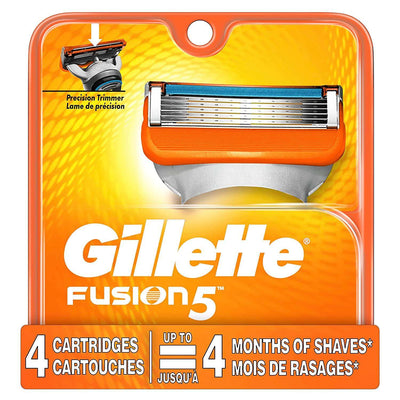
Gillette Fusion 5 Razor Blades Pack of 4
Razors & Razor Blades£ 21.46UK delivery soon
Order within 2h 14m
In Stock
Authentic 30-day returns 12 viewing -
 Quick view
Gillette
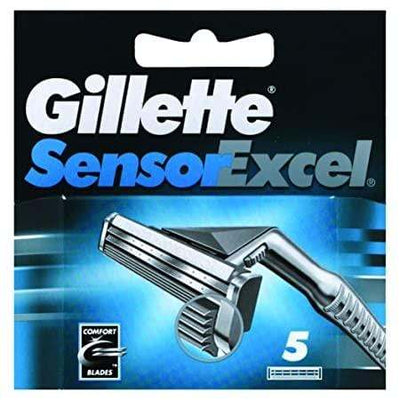
Gillette Sensor Excel Razor Blades Pack of 5
Razors & Razor BladesIngredients PEG-115M£ 7.11UK delivery soon
Order within 2h 14m
Out of stock
Authentic 30-day returns 12 viewing -
 Quick view
Gillette
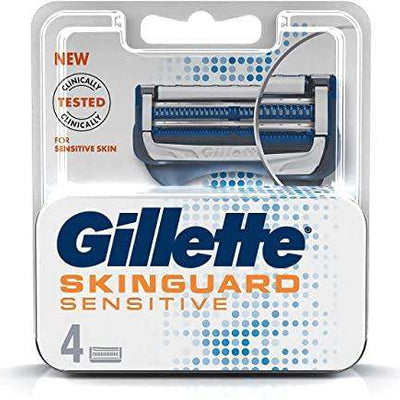
Gillette SkinGuard Sensitive Razor Blades Pack of 4
Razors & Razor Blades£ 21.20UK delivery soon
Order within 2h 14m
Out of stock
Authentic 30-day returns 12 viewing
Razor Blades
Razor blades are the replaceable cutting edges used in razors to remove hair cleanly and efficiently. A high-quality blade should feel sharp without feeling “harsh”, hold its edge for multiple shaves, and glide smoothly to help you achieve a close finish with less tugging.
Whether you shave daily or only occasionally, choosing the right razor blade can make the difference between a comfortable, smooth shave and post-shave irritation. Blade choice matters even more if you’re prone to razor bumps, ingrown hairs, or sensitivity around the neck and jawline.
Shop razor blades online to match your shaving style—single-blade wet shaving, multi-blade cartridge systems, or sensitive-skin focused formats—then build a routine that prioritises prep, glide, and calm post-shave recovery.
What are Razor Blades?
Razor blades are precision-engineered metal edges designed to cut hair at skin level with minimal pressure. They vary by format (single-edge, double-edge, cartridge refills), coatings (to improve glide and reduce friction), and sharpness profiles (some feel ultra-sharp, others feel smoother but may require more frequent replacement).
Many wet shavers prefer pairing blades with a controlled tool like Safety Razors for angle control and reduced repeated blade contact, while cartridge systems often suit quick routines and travel convenience.
Benefits and Features of the Welzo Razor Blades Collection
- Cleaner, closer shaves: Sharp blades reduce tugging and help remove hair in fewer passes.
- Comfort-focused glide: Many blades are designed to minimise friction, especially when combined with the right lather.
- Better shaving consistency: Swapping blades at the right time keeps results predictable and reduces irritation.
- Options for different routines: From traditional wet shaving to modern quick shaves, you can match blade type to your routine.
For a traditional lather that cushions the skin and helps the blade move smoothly, many customers use blades alongside Shaving Soaps.
Why are Razor Blades Important?
Blades are the “contact point” of your shaving routine. When a blade is dull, it can pull at the hair shaft rather than slicing cleanly—often leading to repeated passes, increased friction, and more risk of redness or razor burn. A blade that matches your hair density and skin type supports:
- Reduced irritation: Fewer passes and less pressure means less skin stress.
- Lower risk of nicks: A predictable blade feel helps you maintain control, especially around contours.
- Improved post-shave comfort: Cleaner cutting often means less inflammation afterwards.
If you’re easily irritated, consider a routine built around gentler prep and recovery using Sensitive Skin Shaving Products.
Best Products in Razor Blades
The “best” blade depends on your skin, hair thickness, and how you shave (short strokes vs long strokes, daily vs occasional). In general, top-performing blades tend to:
- Stay sharp across multiple shaves without feeling scratchy
- Provide consistent glide when paired with a good lather
- Reduce tugging on thicker stubble
- Work well with your chosen razor format and shaving angle
If you’re refining a broader grooming routine (especially for shaping and beard lines), you may also like styling support from Beard Balms.
How to Use Razor Blades?
- Prep properly: Use warm water to soften hair and hydrate the skin surface.
- Create glide: Apply a lubricating shaving product to reduce friction and skipping.
- Use light pressure: Let the blade do the work—pressing harder increases irritation risk.
- Shave with the grain first: Especially on the neck, to reduce bumps and inflammation.
- Rinse and soothe: Finish with cool water, then apply a calming post-shave product.
For post-shave comfort (especially if you feel dry or tight), follow with a lightweight hydrator from Aftershave Lotions.
Side Effects or Interactions of Razor Blades
Razor blades are generally safe when used correctly, but technique and timing matter. Common issues include:
- Razor burn: Often linked to too many passes, too much pressure, or shaving on dry skin.
- Nicks and cuts: More common when rushing, shaving over uneven skin texture, or using a worn blade.
- Ingrown hairs: Can occur if hair is cut too close or skin is irritated—especially on the neck.
- Skin dryness: Sometimes caused by skipping post-shave moisturising.
If your skin reacts easily, supporting your overall routine with gentle daily care from Men’s Skincare can help maintain a healthier skin barrier between shaves.
Different Types of Razor Blades Available
- Double-edge blades: Popular for traditional wet shaving and controlled angle shaving.
- Cartridge refills: Convenient, often designed for quick shaves and travel.
- Sensitive-skin focused blades: Built to reduce friction and discomfort for reactive skin types.
- Specialised blades: Certain formats suit precision work or specific razor systems.
If you’re managing skin reactivity beyond shaving, you may also benefit from broader calming options in Sensitive Skin Skincare.
Most Popular Razor Blades Products Available
Popular choices tend to fall into two camps: sharper blades for coarse hair and fewer passes, and smoother-feeling blades for sensitive skin that prioritise comfort. Many customers rotate blades depending on schedule—for example, a smoother option for daily workweek shaves and a sharper option for heavier stubble after a few days’ growth.
Statistics, Research, Expert Information and Quotes on Razor Blades
In practice, shaving comfort is strongly influenced by friction management: hair softening, lubrication quality, and controlled pressure. Even a premium blade can feel uncomfortable if the shave is rushed or the skin isn’t properly prepped—while a well-prepped shave often feels smoother even with a simpler blade choice.
If you want a practical guide to products that support lower-friction shaving (especially for reactive skin), read our blog article: 10 Best Shaving Creams for Sensitive Skin.
How We Select the Razor Blades Collection on Welzo
Razor blades are selected with a focus on shaving performance, comfort, and consistency. We look for blades that:
- Deliver reliable sharpness without excessive harshness
- Support smoother glide when paired with proper lubrication
- Offer options for different shaving styles and skin needs
- Maintain quality standards across repeated use
Trusted by Experts and Verified Razor Blades Quality on Welzo
We prioritise transparency and quality across grooming and personal care. Learn more on our trust pages: Welzo Staff, Ingredient Quality & Purity Certifications, Supplement Quality Standards & Certifications.
Customer Reviews
You can read verified customer feedback on our Welzo Reviews page.
FAQs
How often should I replace razor blades?
It depends on hair thickness and shave frequency. Replace sooner if you feel tugging, skipping, or increased irritation—those are common signs the edge is wearing down.
Are sharper blades always better?
Not always. Ultra-sharp blades can be great for coarse hair, but some sensitive skin types prefer a smoother-feeling blade that’s slightly less aggressive.
What causes razor burn even when my blade is new?
Razor burn is often caused by poor lubrication, too much pressure, shaving too quickly, or shaving against the grain—especially on the neck.
Can razor blades help reduce ingrown hairs?
A clean, low-pressure shave with fewer passes can reduce irritation (which can contribute to ingrowns), but technique, prep, and post-shave care matter just as much as the blade itself.
Should I shave with or against the grain?
Most people do best starting with the grain, especially if prone to bumps. If you need closer results, re-lather and shave across the grain with light pressure.
Are razor blades suitable for sensitive skin?
Yes—many blades are designed for comfort. Pairing the right blade with good lubrication and soothing post-shave care is usually the biggest difference-maker.
What’s the difference between cartridge blades and double-edge blades?
Cartridge blades are convenient and quick; double-edge blades are popular for traditional wet shaving and control. The best choice depends on your routine, technique, and skin tolerance.
How do I get a closer shave without irritation?
Focus on prep (warm water), glide (proper lather), and pressure (lighter than you think). Aim for fewer passes and avoid shaving dry skin.
 Rated Excellent by 28,951+ Reviews
 100% Money Back Guarantee