
Your cart is empty
This quantity of item cannot be added to the cart
Continue shopping
Shea Butter
4.8on Trustindex
browsing now
Order before 2pm for same-day dispatch
2766+ orders this week
-
 Quick view
Lippy Inc
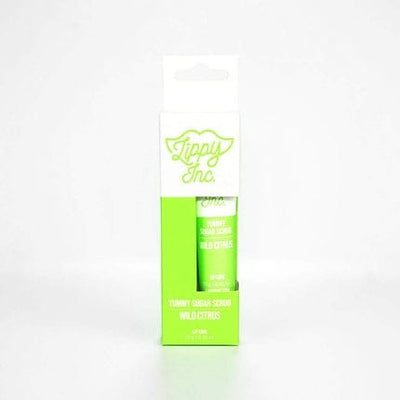
Lippy Inc. Wild Citrus Sugar Scrub All Natural Lip Exfoliator and Moisturizer with Carrot Oil and Shea Butter
Health & BeautySucrose£ 1.78UK delivery soon
Order within 2h 14m
In Stock
Authentic 30-day returns 12 viewing -
 Quick view
NOW Foods
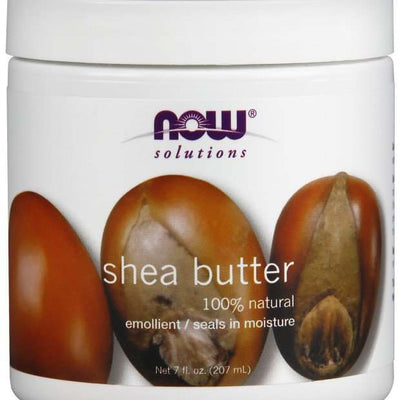
NOW Foods Shea Butter - 100% Natural - 207 ml
Health and WellbeingButyrospermum Parki...£ 9.09UK delivery soon
Order within 2h 14m
In Stock
Authentic 30-day returns 12 viewing -
 Quick view
Now Foods
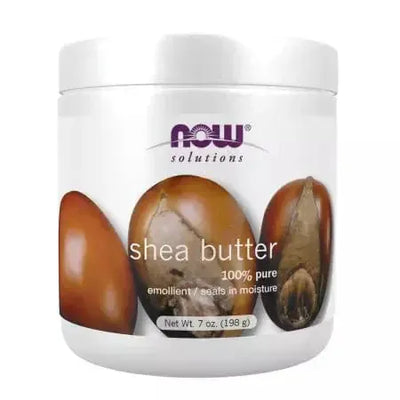
Now Foods Shea Butter 7oz
SupplementsOther Ingredients -...£ 10.43UK delivery soon
Order within 2h 14m
In Stock
Authentic 30-day returns 12 viewing -
 Quick view
Missha
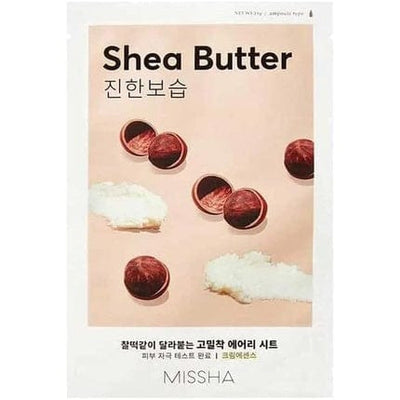
Missha Airy Fit Shea Butter Sheet Mask 19g
Health & Beauty£ 3.07UK delivery soon
Order within 2h 14m
Only 3 left
Authentic 30-day returns 12 viewing -
 Quick view
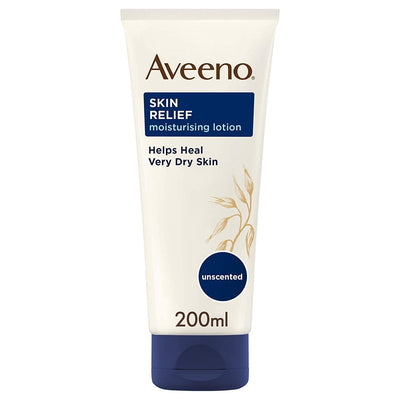
Aveeno
Aveeno Body Lotion Shea Butter
Lotion & Moisturizer£ 11.29UK delivery soon
Order within 2h 14m
In Stock
Authentic 30-day returns 12 viewing -
 Quick view
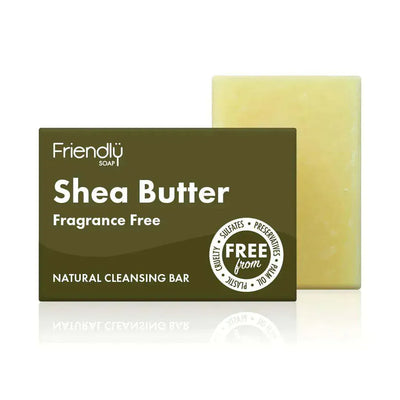
Friendly Soap
Friendly Soap Shea Butter Cleansing Bar 95g
Bar SoapIngredients: Sodium...£ 4.26UK delivery soon
Order within 2h 14m
Out of stock
Authentic 30-day returns 12 viewing -
 Quick view
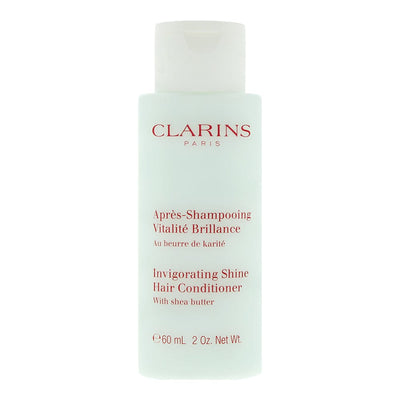
Clarins
Clarins Invigorating Shine Conditioner with Shea Butter 60ml
Health & Beauty£ 0.00UK delivery soon
Order within 2h 14m
Out of stock
Authentic 30-day returns 12 viewing -
 Quick view
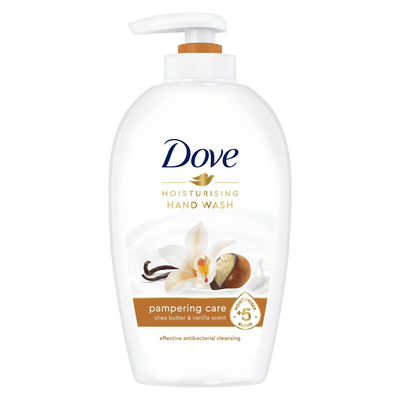
Dove
Dove Purely Pampering Shea Butter with Warm Vanilla Hand Wash 250ml
Medicine & Drugs£ 2.49UK delivery soon
Order within 2h 14m
Out of stock
Authentic 30-day returns 12 viewing -
 Quick view
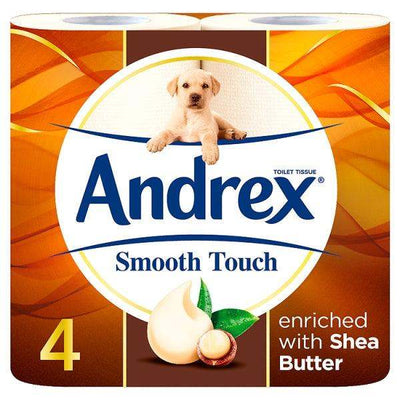
Andrex
Andrex T/Roll Shea Butter Pm1.99
Toilet Paper£ 4.00UK delivery soon
Order within 2h 14m
Out of stock
Authentic 30-day returns 12 viewing
Shea Butter
Shea butter is a rich, plant-derived emollient widely used in skincare to deeply nourish, soften, and protect dry or compromised skin. Known for its buttery texture and long-lasting comfort, it is especially valued in routines where the skin barrier needs extra support, such as during colder weather, frequent washing, or periods of dehydration.
Because shea butter creates a protective, moisture-sealing layer on the skin’s surface, it is often chosen for areas prone to roughness—such as hands, elbows, knees, heels, and dry patches—while also being used in targeted facial routines where extra cushioning is needed.
Whether used as a standalone moisturising step or within blended formulations, shea butter is a dependable option for improving the feel and appearance of very dry skin, supporting smoother texture and enhanced comfort.
What is Shea Butter?
Shea butter is a natural fat extracted from the nuts of the shea tree (Vitellaria paradoxa). In skincare, it functions as an occlusive and emollient ingredient—meaning it helps soften the skin while also reducing moisture loss by forming a protective layer over the surface.
This barrier-supporting role is why shea butter is frequently used in routines aligned with dermatological skincare, especially when the goal is comfort, resilience, and long-term hydration.
Benefits and Features of the Welzo Shea Butter Collection
Shea butter is valued for delivering deep nourishment and long-wearing comfort. Key benefits include:
- Deep moisturising comfort: Helps relieve tight, dry-feeling skin and improves softness.
- Barrier support: Helps reinforce the skin’s protective layer and reduce moisture loss.
- Texture smoothing: Helps improve the feel of rough patches and dry areas over time.
- Targeted use: Especially helpful for hands, elbows, knees, heels, and dry patches.
- Routine flexibility: Can be used alone or layered with other skincare steps.
For routines focused specifically on persistent dryness, shea butter fits naturally alongside products in dry skin skincare, where the priority is restoring lasting comfort and softness.
Why is Shea Butter Important?
The skin barrier can become weakened by environmental exposure (cold weather, wind, UV), frequent cleansing, over-exfoliation, and dry indoor air. When the barrier is compromised, skin often feels rough, tight, flaky, or sensitive.
Shea butter helps by sealing in hydration and reducing surface water loss—making it particularly useful in comfort-first routines, including those designed for sensitive skin skincare.
Best Products in Shea Butter
The best shea butter options depend on where and how you plan to use them. When choosing, consider:
- Body-first nourishment: Rich textures that perform well on large dry areas.
- Targeted repair zones: Concentrated balms for hands, heels, elbows, or cracked skin.
- Face compatibility: Lighter blends or selective use on dry patches for facial routines.
- Layering needs: Whether you want shea butter to “seal in” lighter steps beneath it.
If you like combining different emollients for a more tailored routine, some people pair shea butter with conditioning oils such as argan oil for added softness and slip.
How to Use Shea Butter?
Shea butter works best when used strategically, especially if you prefer a comfortable finish without heaviness:
- Body: Apply to slightly damp skin after showering to help trap moisture.
- Hands: Massage into hands after washing, focusing on knuckles and cuticles.
- Feet: Apply a generous layer to heels and soles, then wear socks overnight.
- Face (targeted): Use a very small amount on dry patches only, especially in colder months.
If you use shea butter on the face, many routines keep daytime layers lighter and finish with protective steps such as SPF moisturisers to support comfort and barrier function throughout the day.
For practical ideas on repairing dry, cracked hands (one of the most common shea butter use-cases), this Welzo guide is helpful: The 10 Best Hand Creams for Dry, Cracked Skin.
Side Effects or Interactions of Shea Butter
Shea butter is generally well tolerated, but it is rich and may not suit every routine in the same way:
- Heaviness on oily areas: On very oily or congestion-prone zones, it may feel too occlusive if applied broadly.
- Breakout-prone skin: If you are prone to clogged pores, consider limiting use to dry patches rather than full-face application.
- Sensitivity: While typically gentle, patch testing is recommended for reactive skin types.
For those who want to maintain clarity while still supporting the barrier, balancing routines may include ingredients commonly found in niacinamide skincare, especially when using richer moisturising steps.
Different Types of Shea Butter Available
- Unrefined shea butter: Often has a natural scent and richer, more “buttery” feel.
- Refined shea butter: More neutral in scent and texture, commonly used in sensitive formulations.
- Shea butter blends: Combined with oils, humectants, or soothing ingredients for improved spreadability and layering.
Some users prefer blending shea butter with lighter oils—such as jojoba oil—to create a softer, more spreadable texture for everyday body use.
Most Popular Shea Butter Products
Popular shea butter formats typically focus on intensive comfort and targeted dryness support, including:
- Body butters for long-lasting moisture and softness
- Hand and cuticle balms for frequent washing and dry knuckles
- Foot and heel treatments for rough or cracked areas
- Multi-purpose balms for dry patches across the body
Statistics, Research, Expert Information and Quotes on Shea Butter
Shea butter is widely used in moisturising products because it combines emollient softness with an occlusive effect that helps reduce moisture loss. In practical skincare, this is why it is often recommended for very dry-feeling skin and rough patches, where improving comfort and texture requires both nourishment and barrier reinforcement.
In antioxidant-led routines, some users pair barrier-focused moisturising steps with brightening or protective skincare. If your routine also targets dullness, options within vitamin C skincare are commonly used alongside barrier-support steps (with richer textures reserved for night or dry zones).
How we select our Shea Butter Collection on Welzo
Shea butter products are selected with a focus on quality, routine compatibility, and real-world usability, including:
- Ingredient transparency: Clear labelling so customers can understand what they are buying.
- Comfort-first textures: Options that feel supportive without unnecessary irritation.
- Targeted formats: Products suited for hands, feet, body, and dry patch care.
- Layering potential: Formulas that work alongside cleansers, serums, and moisturisers.
Trusted by Experts and Verified Shea Butter Quality on Welzo
Learn more via Welzo Staff, Ingredient Quality & Purity Certifications, and Supplement Quality Standards & Certifications.
Customer Reviews
Explore verified customer experiences on the Welzo Reviews page to understand how different shea butter textures feel, how they absorb, and which formats customers prefer for hands, body, and dry patch care.
FAQs
What is shea butter best used for?
Shea butter is commonly used for very dry skin, rough patches, hands, heels, elbows, and areas that need long-lasting moisture and comfort.
Can shea butter be used on the face?
It can be used on the face, but it is rich. Many people use it only on dry patches rather than as an all-over facial moisturiser.
Is shea butter suitable for sensitive skin?
Shea butter is generally well tolerated, but patch testing is recommended if your skin is highly reactive.
Does shea butter clog pores?
It may feel too heavy for some acne-prone or congestion-prone skin types. Using it only on dry areas can help minimise this risk.
How do I use shea butter for cracked heels?
Apply a generous layer to clean, dry feet—especially heels—then wear socks overnight for best results.
Can shea butter help with dry hands from frequent washing?
Yes, it is often used for hands because it helps reduce moisture loss and improves softness after repeated washing.
What is the difference between refined and unrefined shea butter?
Unrefined shea butter often has a stronger natural scent and richer feel, while refined shea butter is typically more neutral in scent and texture.
When should I apply shea butter in my routine?
It is often best used at night or as the final step to seal in lighter layers, especially on dry areas that need extra protection.
 Rated Excellent by 26,523+ Reviews
 100% Money Back Guarantee