
Your cart is empty
This quantity of item cannot be added to the cart
Continue shopping
Argan Oil
4.8on Trustindex
browsing now
Order before 2pm for same-day dispatch
2766+ orders this week
-
 Quick view
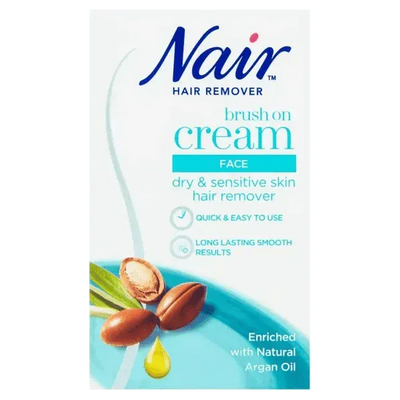
Nair
Nair Facial Brush On Hair Remover with Argan Oil 50ml
Hair Removal£ 6.56UK delivery soon
Order within 2h 14m
In Stock
Authentic 30-day returns 12 viewing -
 Quick view
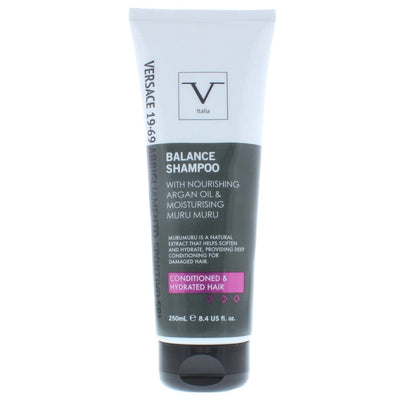
V 19.69
V Italia Balance Shampoo With Nourishing Argan Oil & Moisturising Muru Muru 250ml
Health & Beauty£ 0.00UK delivery soon
Order within 2h 14m
Out of stock
Authentic 30-day returns 12 viewing -
 Quick view
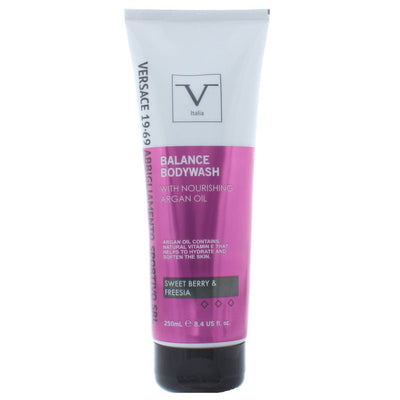
V 19.69
V Italia Balance Body Wash With Nourishing Argan Oil 250ml
Health & Beauty£ 0.00UK delivery soon
Order within 2h 14m
Out of stock
Authentic 30-day returns 12 viewing -
 Quick view
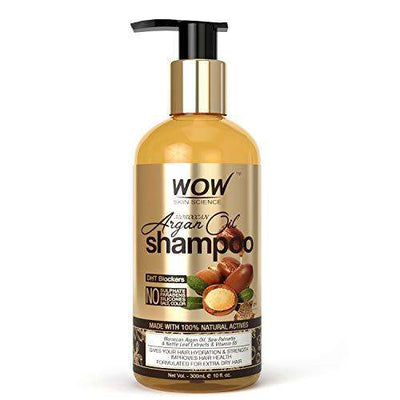
Pharmacy
Argan Oil Shamp
Shampoo£ 2.00UK delivery soon
Order within 2h 14m
Out of stock
Authentic 30-day returns 12 viewing -
 Quick view
Pharmacy
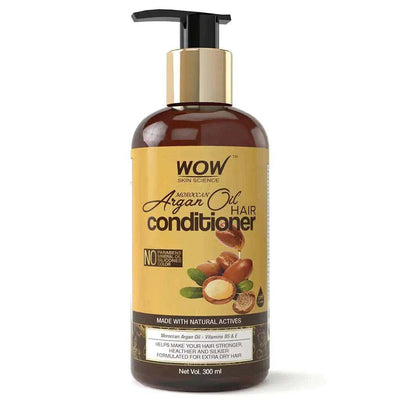
Argan Oil Cond
Conditioners£ 2.00UK delivery soon
Order within 2h 14m
Out of stock
Authentic 30-day returns 12 viewing -
 Quick view
Pharmacy
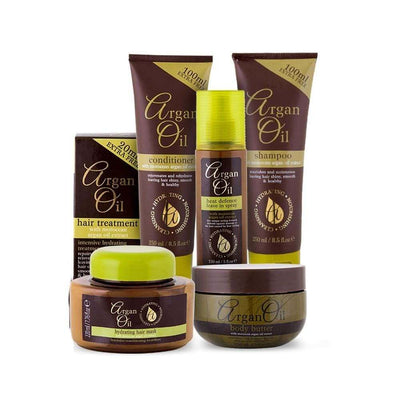
Argan Oil 6pc Gift
Bath & Body£ 11.50UK delivery soon
Order within 2h 14m
Out of stock
Authentic 30-day returns 12 viewing -
 Quick view
Pharmacy
Argan Oil 3pc Gift Set
Bath & Body£ 3.50UK delivery soon
Order within 2h 14m
Out of stock
Authentic 30-day returns 12 viewing
Argan Oil
Argan oil is a nutrient-rich botanical oil commonly used in skincare and haircare to support softness, smoothness, and long-lasting comfort. Naturally high in essential fatty acids and vitamin E, it helps nourish dry-feeling skin and improve hair manageability, making it a popular choice for daily routines that prioritise hydration without heaviness.
Often described as a lightweight “dry oil”, argan oil absorbs more quickly than many richer oils, leaving a comfortable finish that suits face, body, and hair lengths. It can be used alone or as part of blended formulas to support barrier comfort, reduce the look of rough texture, and enhance the appearance of shine.
In a well-rounded routine, argan oil fits neatly alongside other targeted skincare actives and supportive oils, helping you tailor hydration levels to your skin type, climate, and styling habits.
What is Argan Oil?
Argan oil is a plant-derived oil extracted from the kernels of the argan tree (Argania spinosa). In cosmetic and personal care use, it functions primarily as an emollient—meaning it helps soften the skin’s surface, reduce moisture loss, and improve flexibility. For hair, it helps smooth the cuticle, which can reduce the look of frizz and improve shine.
Because it supports barrier resilience and is generally well tolerated, argan oil is frequently incorporated into routines aligned with dermatological skincare, particularly when the goal is comfort and long-term skin balance.
Benefits and Features of the Welzo Argan Oil Collection
Argan oil is valued for delivering visible results while remaining comfortable and easy to wear. Key benefits include:
- Barrier-supporting nourishment: Helps replenish surface lipids that contribute to softness and flexibility.
- Smoother-looking texture: Can improve the look of rough skin and help hair feel more manageable.
- Antioxidant support: Naturally contains vitamin E, helping defend against environmental stress.
- Lightweight conditioning: Supports hydration without an overly greasy finish.
- Multi-purpose use: Works across face, body, hair lengths, nails, and cuticles.
If your skin is easily reactive, argan oil often layers well in simplified routines that prioritise comfort, such as those typically associated with sensitive skin skincare.
Why is Argan Oil Important?
Daily exposure to cold weather, indoor heating, UV light, pollution, frequent cleansing, and heat styling can weaken the skin barrier and roughen the hair cuticle. When the barrier is compromised, skin may feel uncomfortable and look dull, while hair can appear frizzy, dry, or less reflective.
Argan oil helps counter these effects by reinforcing surface lipids and improving suppleness. In routines that also focus on environmental defence and visible radiance, many people pair barrier support with antioxidant-led approaches found in vitamin C skincare.
Best Products in Argan Oil
The best argan oil options depend on your skin type, hair texture, and preferred finish. When choosing, consider:
- Face vs hair use: Hair-focused oils often emphasise slip and smoothing; face oils tend to prioritise comfort and absorption.
- Finish preference: Some options feel weightless; others feel more nourishing and cushiony.
- Layering compatibility: If you use actives, choose textures that sit well under moisturiser or SPF.
To build a more tailored oil routine, some users compare argan oil with jojoba oil for a lighter, balancing feel, or use almond oil when they want a softer, more comforting finish.
How to Use Argan Oil?
Argan oil is most effective when used in small amounts and applied to the right areas:
- Face: Warm 1–2 drops between fingertips and press onto clean skin (often best after water-based steps).
- Body: Apply to slightly damp skin after bathing to help seal in hydration.
- Hair: Use a pea-sized amount on mid-lengths and ends; avoid roots if your hair gets oily quickly.
- Cuticles: Massage a tiny drop into dry cuticles and nails.
If you’re using argan oil in a hair routine and want to keep roots feeling fresh between washes, pair lightweight lengths-only oiling with targeted root refreshers like dry shampoo. For practical tips on managing oiliness without over-washing, read: Greasy Hair: How to Effectively Get Rid of It.
Side Effects or Interactions of Argan Oil
Argan oil is generally well tolerated, but a few considerations apply:
- Over-application: Too much can feel greasy on skin or weigh down hair.
- Acne-prone skin: Some users prefer minimal facial oil use to reduce the chance of congestion.
- Sensitivity: Patch testing is recommended for reactive skin types.
If you are breakout-prone, balancing richer steps with gentle clarifying or pore-support routines can be useful. For some routines, ingredients commonly associated with salicylic acid skincare are used to help keep pores clearer-looking.
Different Types of Argan Oil Available
- Cold-pressed argan oil: Minimally processed and often preferred for direct skin use.
- Refined argan oil: More neutral in scent and colour, often used in sensitive formulations.
- Argan oil blends: Combined with other botanicals or supportive actives for a tailored finish.
For very dry areas where you want extra “seal-in” comfort, many routines combine a lighter oil layer with richer emollients like shea butter on top where needed.
Most Popular Argan Oil Products
Most popular argan oil uses typically focus on results rather than a single product type. Common preferences include:
- Hair-smoothing oils for frizz control and shine on lengths and ends
- Comfort-first face oils for softness without heaviness
- Body oils for post-shower hydration support
- Multi-purpose oils for face, body, and nails
Statistics, Research, Expert Information and Quotes on Argan Oil
Argan oil is frequently referenced in skincare due to its fatty acid profile and natural vitamin E content—two factors associated with barrier support and improved skin feel. In haircare, it is widely used for smoothing and conditioning because it can improve manageability and reduce the appearance of frizz.
If your routine includes richer nourishing steps, keeping the skin barrier supported with balancing ingredients can help maintain comfort and clarity. Many people include barrier-friendly options commonly found in niacinamide skincare routines for overall skin balance.
How we select our Argan Oil Collection on Welzo
Argan oil products are selected with a focus on quality, usability, and routine compatibility, including:
- Clear ingredient labelling: Transparent formulas that are easy to understand and compare.
- Texture and absorption: Options that feel comfortable for everyday use.
- Routine fit: Products that layer well with moisturisers and other steps.
- Versatility: Suitable options for face, body, hair, and nails.
Trusted by Experts and Verified Argan Oil Quality on Welzo
Welzo supports informed purchasing through transparent standards and careful selection. You can learn more via: Welzo Staff, Ingredient Quality & Purity Certifications, and Supplement Quality Standards & Certifications.
Customer Reviews
Customer experiences with argan oil vary depending on skin type, hair texture, and how much is applied. For real-world feedback on feel, absorption, and results, you can explore verified customer experiences on the Welzo Reviews page.
FAQs
What is argan oil best used for?
Argan oil is commonly used to soften dry skin, smooth hair, reduce frizz, and improve shine. It is also popular for cuticle and nail care.
Can argan oil be used on the face every day?
Many people use it daily, but frequency should be adjusted based on your skin type and how your skin responds. Start with a small amount.
Is argan oil suitable for oily or acne-prone skin?
Some acne-prone users tolerate argan oil well in small amounts, while others prefer minimal facial oil use. Patch testing is recommended.
How do I use argan oil on hair without making it greasy?
Use a very small amount and apply only to mid-lengths and ends. Avoid applying near the roots.
Can argan oil help with frizz and flyaways?
Yes, it is commonly used to smooth the hair surface and reduce the appearance of frizz.
Does argan oil help with dry skin in winter?
It can help support comfort by reducing moisture loss and improving softness, making it useful in cold-weather routines.
Is cold-pressed argan oil better than refined argan oil?
Cold-pressed oils are often preferred for minimal processing, while refined versions may feel lighter and have a more neutral scent.
Can argan oil be used on nails and cuticles?
Yes, a small drop massaged into cuticles can help soften dryness and improve nail appearance over time.
 Rated Excellent by 28,951+ Reviews
 100% Money Back Guarantee