

Your cart is empty
This quantity of item cannot be added to the cart
Continue shopping
Almond Oil
4.8on Trustindex
browsing now
Order before 2pm for same-day dispatch
2766+ orders this week
-
Sale-22%
 Quick view
NOW Foods
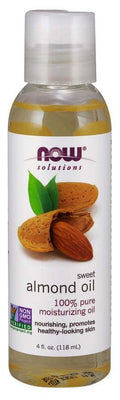
NOW Foods Almond Oil Pure
Health and WellbeingPrunus Amygdalus Du...£ 4.48£5.78Lowest price in 30 days
UK delivery soon
Order within 2h 14m
In Stock
Authentic 30-day returns 12 viewing -
 Quick view
Pharmacy
Almond Oil T&R 02909
Body Oil£ 89.00UK delivery soon
Order within 2h 14m
Out of stock
Authentic 30-day returns 12 viewing -
 Quick view
Now Foods
Now Foods Sweet Almond Oil
SupplementsOther Ingredients -...£ 6.27UK delivery soon
Order within 2h 14m
Out of stock
Authentic 30-day returns 12 viewing
Almond Oil
Almond oil is a nutrient-rich botanical oil widely used in skincare, haircare, and body care for its softening, soothing, and protective properties. Extracted from sweet almonds, it is naturally rich in fatty acids, vitamin E, and skin-conditioning compounds that help support hydration and barrier comfort.
Its lightweight yet nourishing texture makes almond oil suitable for daily use across a wide range of routines. It absorbs well without feeling heavy, making it a popular choice for dry, sensitive, and easily irritated skin types, as well as for hair that needs softness without excessive weight.
Almond oil is often used on its own or as a supporting ingredient in creams, serums, cleansers, and hair treatments. Whether applied directly or layered into an existing routine, it plays a versatile role in maintaining skin and hair comfort.
What is Almond Oil?
Almond oil is a plant-derived oil typically obtained from sweet almonds (Prunus amygdalus dulcis). In cosmetic and personal care use, it functions as an emollient—meaning it helps soften the skin, reduce moisture loss, and improve surface smoothness.
Because of its gentle profile and compatibility with many skin types, almond oil is commonly found in moisturisers, body oils, massage products, and hair treatments. It is especially valued for supporting compromised or dry skin barriers, a concern often addressed within dry skin skincare routines.
Benefits and Features of Almond Oil
Almond oil is appreciated for both its simplicity and versatility. Key benefits include:
- Skin softening: Helps improve rough or flaky skin texture by replenishing surface lipids.
- Moisture support: Reduces transepidermal water loss, supporting long-lasting hydration.
- Soothing feel: Often used on skin that feels tight, uncomfortable, or reactive.
- Lightweight nourishment: Absorbs more easily than heavier oils while still delivering comfort.
- Multi-use flexibility: Suitable for face, body, nails, cuticles, and hair lengths.
Because it is generally well tolerated, almond oil is frequently incorporated into routines aligned with sensitive skin skincare, where simplicity and barrier support are prioritised.
Why Almond Oil Is Important in Skincare and Haircare
Almond oil plays an important role in everyday care because it supports the skin barrier without overwhelming it. When the skin barrier is compromised—due to dryness, environmental exposure, or over-cleansing—moisture escapes more easily, leading to discomfort and visible dryness.
By reinforcing the lipid layer on the skin’s surface, almond oil helps skin feel more resilient and comfortable. In haircare, it can improve softness and manageability, particularly on dry or textured hair that benefits from gentle conditioning rather than heavy coating.
Best Uses of Almond Oil
Almond oil can be used in several effective ways depending on your routine:
- Facial oil or booster: Applied alone or mixed into moisturiser for extra nourishment.
- Body oil: Used after bathing to seal in moisture while skin is still slightly damp.
- Hair conditioning: Applied sparingly to mid-lengths and ends to improve softness and shine.
- Scalp care support: Used occasionally to comfort dry-feeling scalp areas before washing.
- Massage oil: Valued for its slip and skin-conditioning feel.
For those comparing botanical oils, almond oil is often chosen as a lighter alternative to richer options like shea butter, while still providing noticeable comfort and conditioning.
How to Use Almond Oil
Almond oil is easy to incorporate into both simple and layered routines:
- On skin: Apply a few drops to clean, slightly damp skin and massage gently until absorbed.
- With moisturiser: Mix one or two drops into your usual cream to boost nourishment.
- On hair: Warm a small amount between palms and smooth onto lengths and ends.
- As a pre-wash treatment: Apply to dry areas before cleansing to reduce post-wash tightness.
If you enjoy exploring newly added formulations that include botanical oils, browsing new in skincare can help you discover updated products that feature almond oil in modern textures.
Side Effects or Interactions of Almond Oil
Almond oil is generally well tolerated, but there are considerations to keep in mind:
- Nut allergies: Individuals with nut allergies should patch test or avoid use unless advised otherwise.
- Comedogenic concerns: While relatively low on the comedogenic scale, very acne-prone skin may prefer lighter oils.
- Overuse: Applying too much can leave skin or hair feeling greasy rather than nourished.
If you are prone to breakouts or congestion, balancing almond oil use with clarifying or targeted actives—such as those found in niacinamide skincare—can help maintain clearer-looking skin.
Different Types of Almond Oil Available
- Sweet almond oil: The most commonly used type for cosmetic and personal care.
- Refined almond oil: More neutral in scent and colour, often used in sensitive formulations.
- Cold-pressed almond oil: Typically retains more natural nutrients and is favoured in minimalist routines.
When choosing between oils, some users compare almond oil with alternatives like argan oil or jojoba oil, depending on whether they want a richer feel, faster absorption, or closer skin-lipid similarity.
Most Popular Almond Oil Applications
Almond oil is most frequently used for:
- Daily body moisturising for dry or tight skin
- Softening cuticles and nails
- Smoothing dry hair ends
- Gentle facial oiling in evening routines
- Supporting massage and self-care rituals
Statistics, Research, Expert Information and Insights on Almond Oil
Almond oil has long been used in cosmetic formulations due to its high content of oleic and linoleic acids, which are known to support skin barrier function. Skincare professionals often favour it for individuals seeking uncomplicated, fragrance-minimal nourishment that integrates easily into existing routines.
For a deeper look at how almond oil supports skin and hair health and how to use it effectively, this Welzo guide provides additional context: Almond Oil for Skin and Hair: Benefits and Uses.
How Welzo Selects the Almond Oil Collection
Almond oil products are selected based on:
- Ingredient quality: Preference for well-sourced, clearly labelled almond oil.
- Formulation balance: Products that deliver nourishment without excessive heaviness.
- Skin compatibility: Options suitable for dry and sensitive skin profiles.
- Versatility: Products that work across face, body, or hair routines.
Trusted by Experts and Verified Quality on Welzo
Welzo supports informed shopping through transparent quality standards and careful product selection. You can learn more about the people and principles behind this process via the Welzo trust pages: Welzo Staff, Ingredient Quality & Purity Certifications, and Supplement Quality Standards & Certifications.
Customer Reviews
Customer experiences with almond oil vary depending on skin type, usage method, and formulation. Reviewing verified feedback can help you understand how different products perform in real-world routines. You can explore customer opinions on the Welzo Reviews page.
FAQs
Is almond oil suitable for sensitive skin?
Almond oil is commonly used on sensitive skin due to its gentle, soothing nature, but patch testing is always recommended.
Can almond oil be used on the face?
Yes, many people use almond oil as a facial oil or mix it with moisturiser, especially for dry or tight-feeling skin.
Is almond oil good for dry skin?
Almond oil helps reduce moisture loss and soften rough skin, making it well suited for dry skin concerns.
Can almond oil clog pores?
It is considered mildly comedogenic. Those with acne-prone skin may prefer lighter oils or use it sparingly.
How often can I use almond oil?
It can be used daily on skin or hair, depending on your needs and tolerance.
Is almond oil suitable for hair?
Yes, it is commonly used on hair lengths to improve softness and manageability.
Can almond oil be used on children’s skin?
Many formulations containing almond oil are used for gentle skin care, but it’s best to check product guidance and patch test first.
What’s the difference between almond oil and other botanical oils?
Almond oil is generally lighter and more neutral than some richer oils, making it easier to layer and use across multiple routines.
 Rated Excellent by 28,951+ Reviews
 100% Money Back Guarantee