
Your cart is empty
This quantity of item cannot be added to the cart
Continue shopping
Wheelchairs
4.8on Trustindex
browsing now
Order before 2pm for same-day dispatch
2766+ orders this week
-
 Quick view
welzo-3
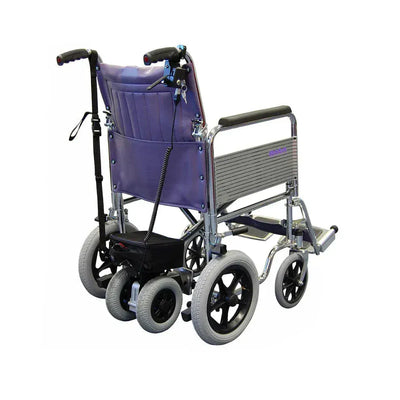
Roma Powerpack Wheelchair Powerstroll – Attendant Controlled, 21 Stone Limit, 10-Mile Range
Mobility Scooter£ 499.00UK delivery soon
Order within 2h 14m
Out of stock
Authentic 30-day returns 12 viewing -
 Quick view
welzo-3
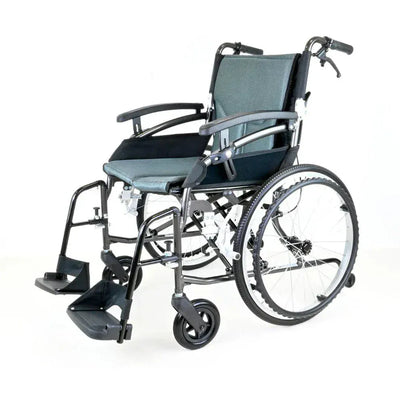
Gravity Lite Self Propel Wheelchair – Ultra Lightweight Aluminium Design
Mobility Scooter£ 399.00UK delivery soon
Order within 2h 14m
Out of stock
Authentic 30-day returns 12 viewing -
 Quick view
welzo-3
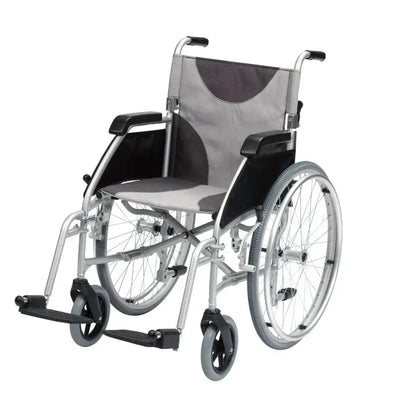
Ultra Lightweight Self-Propel Wheelchair – Drive DeVilbiss
Mobility Scooter£ 279.00UK delivery soon
Order within 2h 14m
Out of stock
Authentic 30-day returns 12 viewing -
 Quick view
welzo-3
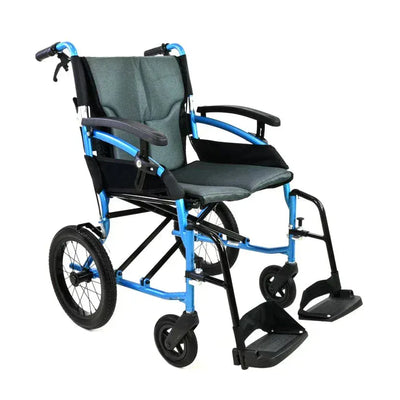
Gravity Lite Transit Wheelchair – Lightweight Mobility with Everyday Comfort
Mobility Scooter£ 350.00UK delivery soon
Order within 2h 14m
Out of stock
Authentic 30-day returns 12 viewing -
 Quick view
welzo-3
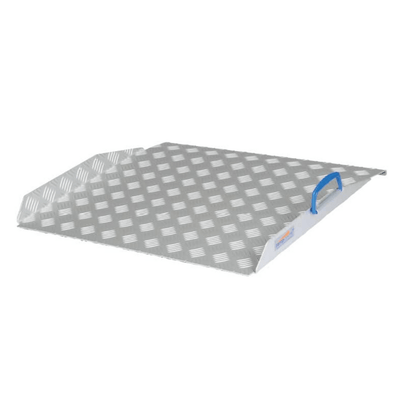
Wheelchair & Mobility Scooter Threshold Ramp – Doorline Multi Ramp (Up to 13cm High)
Mobility ScooterSpecification / Sta...£ 275.00UK delivery soon
Order within 2h 14m
Out of stock
Authentic 30-day returns 12 viewing -
 Quick view
welzo-3
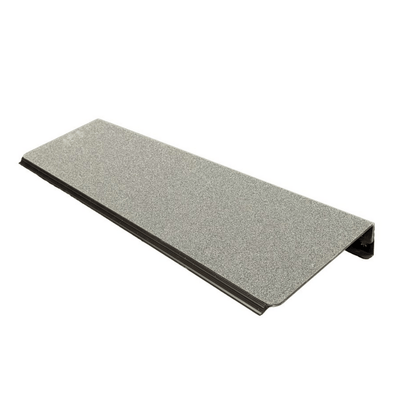
Adjustable Threshold Ramp for Wheelchairs – Doorline VariWedge (2cm–15cm Height Range)
Mobility ScooterSize - Height Range...£ 155.00UK delivery soon
Order within 2h 14m
Out of stock
Authentic 30-day returns 12 viewing -
 Quick view
welzo-3
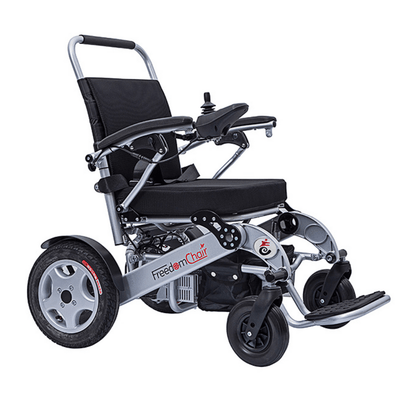
Freedom Chair A11 Mini Folding Electric Wheelchair (for Youngsters)
Mobility Scooter£ 2,875.00UK delivery soon
Order within 2h 14m
Out of stock
Authentic 30-day returns 12 viewing -
 Quick view
welzo-3
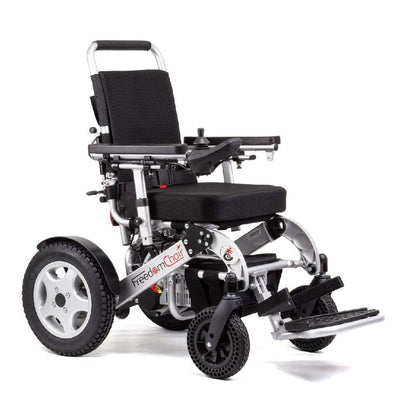
Freedom DE08L Electric Folding Wheelchair
Mobility Scooter£ 2,599.00UK delivery soon
Order within 2h 14m
Out of stock
Authentic 30-day returns 12 viewing -
 Quick view
welzo
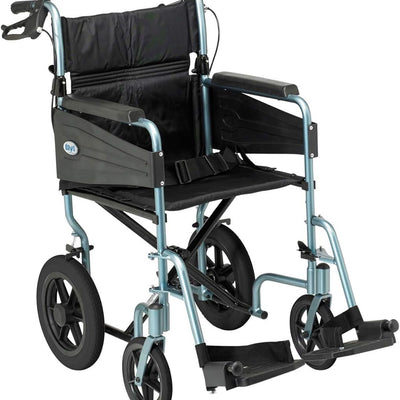
Lightweight Foldable Aluminum Wheelchair with Removable Footrests - Standard Size, Silver/Blue - Ideal for Comfort
£ 169.99UK delivery soon
Order within 2h 14m
Out of stock
Authentic 30-day returns 12 viewing
Wheelchairs
Choose a manual wheelchair by who pushes it, where it goes and who lifts it. Those three questions settle most of the choice between a self-propelled chair, a transit chair and a lightweight folding model, before seat size and weight limit narrow it down.
This guide covers manual wheelchairs, one part of the wider mobility aids range. If the user needs a chair with a motor and a joystick, start with powered wheelchairs instead. For a seated scooter steered with handlebars, see mobility scooters.
Self-propelled or transit
A self-propelled wheelchair has large rear wheels with hand rims, so the person sitting in it can push themselves. It also has push handles, so a companion can take over on slopes or longer distances.
A transit wheelchair, also called an attendant-propelled chair, has small rear wheels and is pushed by someone else. Without the large wheels it is usually lighter and narrower overall, and the brakes are often on the push handles so the person pushing controls them.
If the user will push themselves for any part of the day, start with a self-propelled chair. If they will always be pushed, a transit chair is usually easier to handle and lift. Some models are sold in both versions, with the rear wheels chosen when you order.
Lightweight and folding wheelchairs
Most manual wheelchairs fold, but the weight you lift is quoted in more than one way. The total weight is the whole chair. A carry weight or heaviest-part figure may leave out removable parts such as the rear wheels or footrests, so check what each stated weight includes.
Compare the same figure across models, and if the chair is going in and out of a car, work from the heaviest piece you will actually lift. Aluminium and magnesium frames are generally lighter than steel frames of a similar size. A lighter chair may also have a lower weight limit, so check the maximum user weight as well as the chair's own weight.
Seat size and fit
Three seat measurements appear on most listings: seat width, seat depth from the backrest to the front edge, and seat height from the floor. Many models come in more than one seat width, so check which option a listed figure refers to.
Comparing these figures with a chair the user already sits in comfortably is a practical starting point, not a fitting. If the wheelchair will be used for long periods each day, or posture, pressure care or a specific condition needs to be considered, ask an NHS wheelchair service or an occupational therapist for an assessment before choosing.
Overall width and doorways
Overall width is the seat plus the frame, wheels and hand rims, so it is always wider than the seat. A self-propelled chair is usually wider overall than a transit chair with the same seat width, because of its large rear wheels and hand rims.
Measure the narrowest doorway, hallway turn and lift the chair has to pass through, and compare it with the overall width of the model and seat width you are choosing.
Weight limits and heavy-duty chairs
Every model states a maximum user weight. Treat it as a limit rather than a target, and allow for anything regularly carried on the chair.
Bariatric or heavy-duty wheelchairs have wider seats and stronger frames for higher weight limits. They are also heavier and wider overall, so check the doorway and lifting figures as well.
Taking a wheelchair in the car
Check the folded width and height against the boot opening, and look for quick-release rear wheels and removable footrests if the chair has to go in as separate pieces. Some listings do not give folded dimensions; confirm them before ordering if the car is the deciding factor.
Brakes, footrests and armrests
Most wheelchairs have wheel locks for parking, and transit chairs often add attendant brakes on the push handles for slopes. The arrangement differs between models, so check which brakes are fitted rather than assuming both.
Swing-away or removable footrests make it easier to get in and out of the chair and to fold it smaller. Armrests that flip back or come off help with sideways transfers and with getting close to a table.
Before you buy, confirm
- whether the chair is self-propelled or transit, and which rear wheels come with the option you select
- the seat width, seat depth and seat height
- the overall width, against your narrowest doorway
- the total weight, and the weight of the heaviest piece you will lift
- the folded size, if the chair will travel in a car
- the maximum user weight
- which brakes are fitted: wheel locks, attendant brakes or both
- whether the footrests and armrests swing away, flip back or come off
- which parts, such as cushions and footrests, come with the version you select
Wheelchair FAQs
How wide is a wheelchair?
There is no single standard width. Overall width depends on the seat width and on whether the chair has large self-propelling wheels, so compare the overall width of the specific model and seat option with your narrowest doorway.
How do I measure for a wheelchair?
The figures to compare are seat width, seat depth, seat height and overall width. Measuring a chair the user already finds comfortable gives a rough guide. For regular or all-day use, a wheelchair service or occupational therapist can measure and advise on the right size and set-up.
How much does a wheelchair weigh?
It varies with the frame material, the wheels and the size of the chair. Listings may give a total weight, a carry weight or the weight of the heaviest part, so check which one you are reading before comparing models.
Can I get a wheelchair on the NHS?
The NHS says you can ask a GP, physiotherapist, occupational therapist or hospital staff to refer you to your local wheelchair service for an assessment, and you may be able to refer yourself. You can sometimes borrow an NHS wheelchair for a short time, for example after an operation. See the NHS guidance on wheelchairs and other mobility equipment.
 Rated Excellent by 26,523+ Reviews
 100% Money Back Guarantee