
Your cart is empty
This quantity of item cannot be added to the cart
Continue shopping
Power Tools
4.8on Trustindex
browsing now
Order before 2pm for same-day dispatch
2766+ orders this week
-
Sale-28%
 Quick view
welzo-3
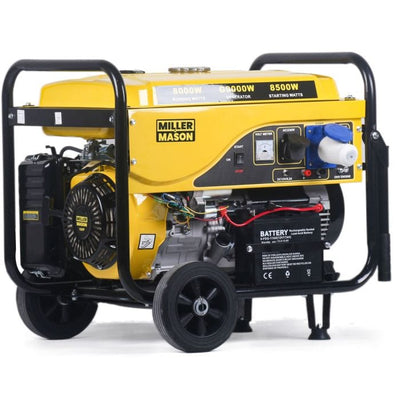
Petrol Generator 10.5kVA (8500W) – G9000W Portable with Key Start, 16HP 4-Stroke Engine, 25L Tank, Motor
Outdoor Power EquipmentEngine Type - Singl...£ 716.00£999.00Lowest price in 30 days
UK delivery soon
Order within 2h 14m
In Stock
Authentic 30-day returns 12 viewing -
Sale-5%
 Quick view
welzo-3
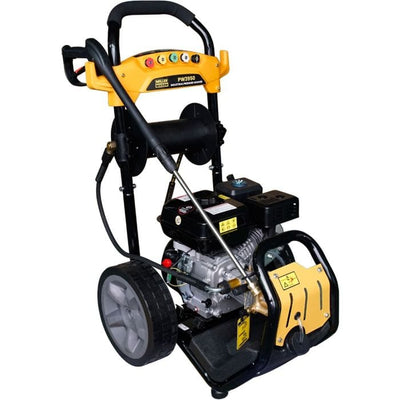
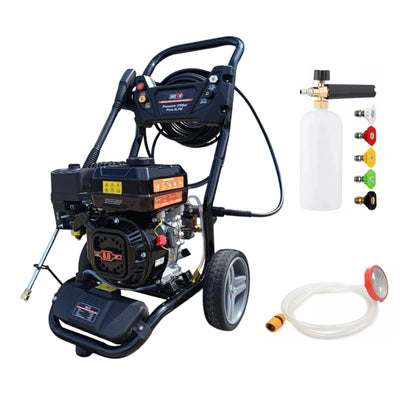
Petrol Pressure Washer 3950PSI (272 BAR) – PW3950 with 8HP 196cc Engine, Brass Pump & 20m Hose
Outdoor Power EquipmentMaximum Pressure - ...£ 378.00£399.99Lowest price in 30 days
UK delivery soon
Order within 2h 14m
In Stock
Authentic 30-day returns 12 viewing -
 Quick view
welzo-3
262 BAR 3800 PSI Electric Pressure Washer Jet Power Washer
Model: VMM-EW3800 ...£ 389.99UK delivery soon
Order within 2h 14m
In Stock
Authentic 30-day returns 12 viewing -
Sale-26%
 Quick view
welzo-3
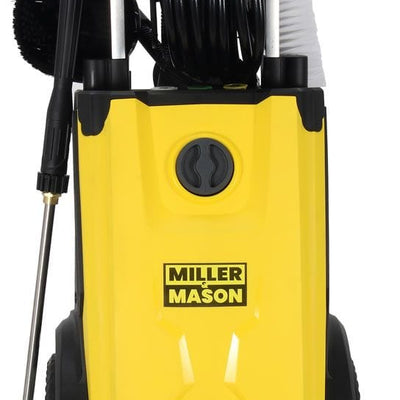
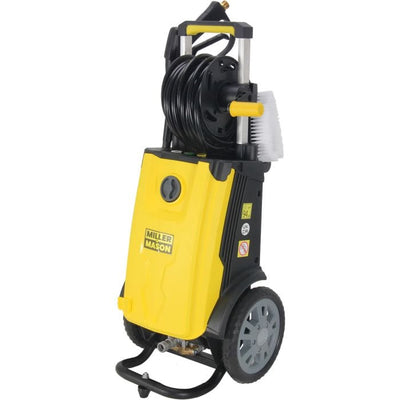
Electric Pressure Washer 3800 PSI (262 BAR) – EW3800 with 3000W Brushless Motor, 10M Hose & 4 Nozzles
Outdoor Power EquipmentMax Pressure - 262 ...£ 368.00£499.99Lowest price in 30 days
UK delivery soon
Order within 2h 14m
In Stock
Authentic 30-day returns 12 viewing -
 Quick view
welzo-3
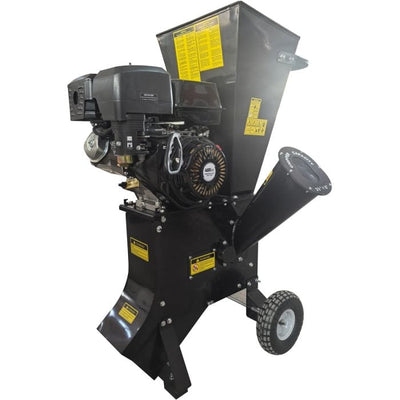
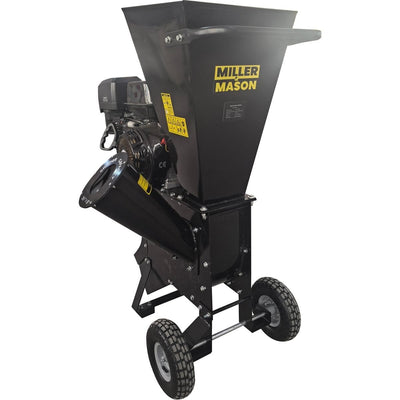
Petrol Wood Chipper 15HP 420cc – 102mm Capacity, Self-Feeding, OHV 4-Stroke Engine
Outdoor Power EquipmentFeature Details Eng...£ 655.00UK delivery soon
Order within 2h 14m
Out of stock
Authentic 30-day returns 12 viewing -
Sale-17%
 Quick view
welzo-3
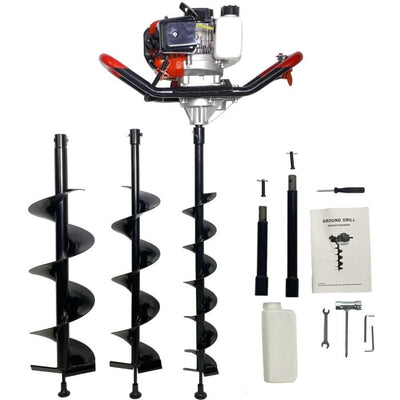
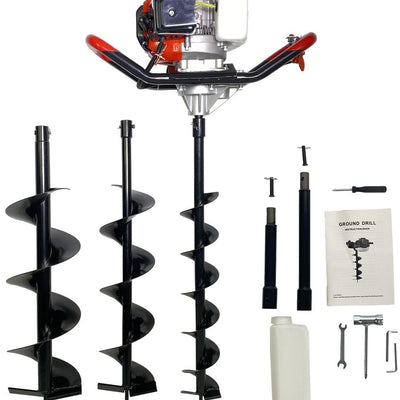
52cc Petrol Earth Auger Post Hole Borer – 3 Drill Bits, 2 Extensions, Ground Fence Drill
Outdoor Power EquipmentEngine Type - 2-Str...£ 166.00£199.99Lowest price in 30 days
UK delivery soon
Order within 2h 14m
In Stock
Authentic 30-day returns 12 viewing -
 Quick view
welzo-3
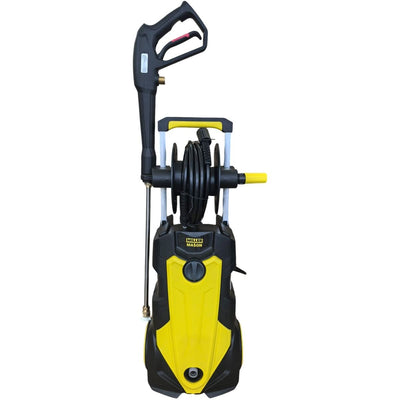
Miller & Mason EW2800 2.6kW 190 BAR 2755PSI Corded Electric Pressure Washer
Motor Power: 2600W ...£ 159.99UK delivery soon
Order within 2h 14m
Out of stock
Authentic 30-day returns 12 viewing -
Sale-46%
 Quick view
welzo-3
Welzo PowerJet 3950 – 275 Bar Petrol Pressure Washer
Outdoor Power EquipmentMaximum Pressure: 3...£ 269.89£499.99Lowest price in 30 days
UK delivery soon
Order within 2h 14m
In Stock
Authentic 30-day returns 12 viewing -
Sale-21%
 Quick view
welzo-3
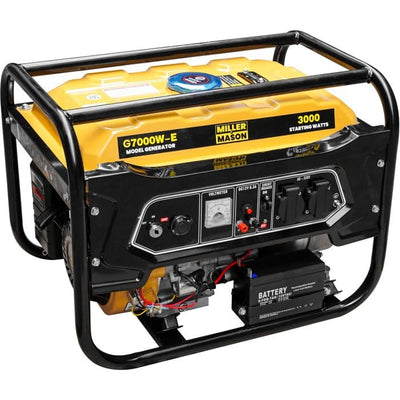
Petrol Generator 3.75kVA (3000W) – G7000W-E with Electric Start, 8HP Engine & Optional ATS
Outdoor Power EquipmentEngine Type - 4-Stroke£ 379.00£479.00Lowest price in 30 days
UK delivery soon
Order within 2h 14m
In Stock
Authentic 30-day returns 12 viewing -
 Quick view
welzo-3
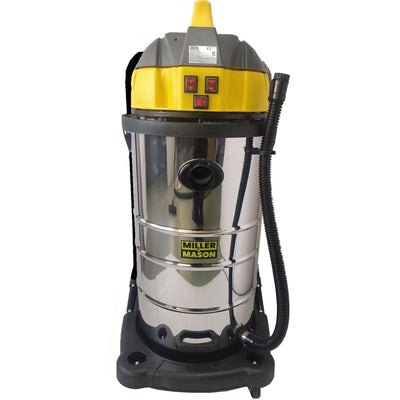
80L 3000W Industrial Wet And Dry Vacuum Cleaner
Model: VMM-VC3000 ...£ 349.99UK delivery soon
Order within 2h 14m
Out of stock
Authentic 30-day returns 12 viewing -
 Quick view
welzo-3
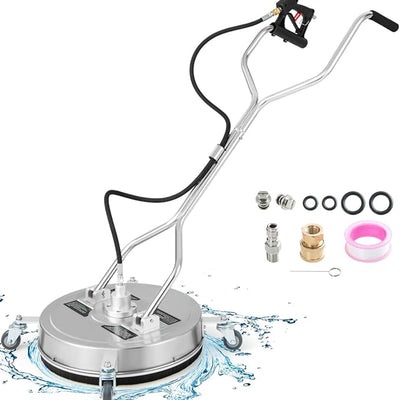
Welzo SurfacePro 20 – Pressure Washer Patio & Driveway Cleaner
Outdoor Power EquipmentProduct Type: Rotar...£ 149.89UK delivery soon
Order within 2h 14m
Out of stock
Authentic 30-day returns 12 viewing -
 Quick view
welzo-3
Welzo PowerWash Pro 3950 – 275 Bar Petrol Pressure Washer
Outdoor Power EquipmentMaximum Pressure: 3...£ 249.89UK delivery soon
Order within 2h 14m
Out of stock
Authentic 30-day returns 12 viewing -
 Quick view
welzo-3
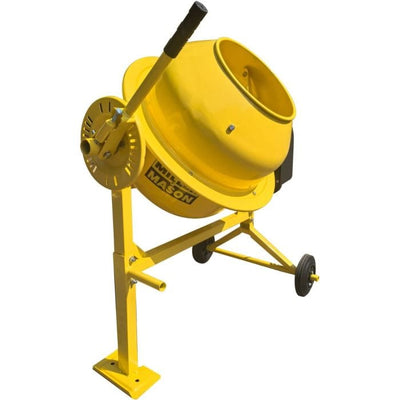
Electric Cement Mixer 70L – 300W Concrete Mixer with Tilting Drum, Steel Frame & Wheels (240V)
Outdoor Power EquipmentDrum Capacity - 70 ...£ 175.00UK delivery soon
Order within 2h 14m
In Stock
Authentic 30-day returns 12 viewing -
Sale-27%
 Quick view
welzo-3
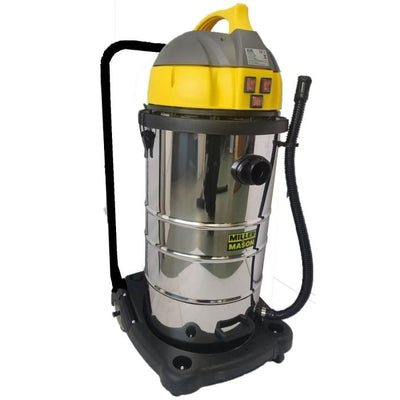
Wet & Dry Vacuum Cleaner 80L – 3000W Industrial Triple Motor, HEPA Filter, Stainless Steel Tank
Outdoor Power EquipmentMotor Power - 3000W...£ 327.00£449.99Lowest price in 30 days
UK delivery soon
Order within 2h 14m
In Stock
Authentic 30-day returns 12 viewing -
 Quick view
welzo-3
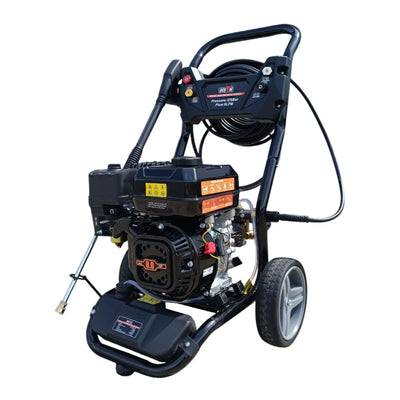
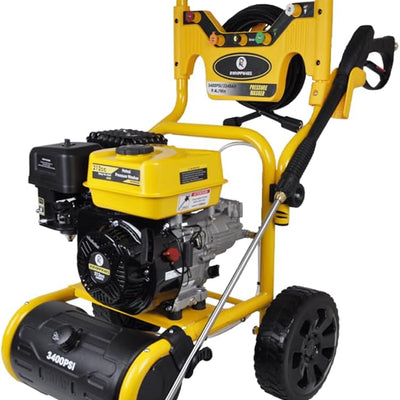
Petrol Pressure Washer 3400 PSI – 5 Nozzles, 9.4L/Min Jet Wash with Detergent Tank, Spray Gun & Lance for Cars, Vans, Patios & Driveways
Outdoor Power EquipmentMeasurements & Spec...£ 399.99UK delivery soon
Order within 2h 14m
In Stock
Authentic 30-day returns 12 viewing -
 Quick view
welzo-3
Electric Start Petrol Pressure Washer 3400 PSI – 5 Nozzles, 9.4L/Min Flow
Outdoor Power EquipmentItem Weight - 18.15...£ 368.00UK delivery soon
Order within 2h 14m
In Stock
Authentic 30-day returns 12 viewing -
 Quick view
welzo-3
52cc Petrol Earth Auger – Fence Post Hole Borer, Ground Drill & 2 Extensions
Engine Type: 2-stro...£ 259.99UK delivery soon
Order within 2h 14m
In Stock
Authentic 30-day returns 12 viewing -
 Quick view
welzo-3
15HP 420cc 102mm Petrol Wood Chipper And Shredder
Model Name: 15HP 42...£ 859.00UK delivery soon
Order within 2h 14m
In Stock
Authentic 30-day returns 12 viewing
Power Tools
Power tools are motor-driven or battery-powered devices designed to drill, cut, sand, grind, polish, and fasten materials more quickly and consistently than manual tools. Whether you’re assembling furniture, repairing fixtures, renovating a room, or tackling trade-grade jobs, the right tool-and-accessory pairing can improve precision, reduce effort, and help deliver a cleaner finish. In practice, a power tool uses a power source to drive motion, and an attachment (bit, blade, disc, or pad) to complete the task—making tool choice, material type, and technique the key factors for good results. Customers can buy power tools online and shop a wide selection on Welzo for DIY, maintenance, and professional use.
What is Power Tools?
Power tools are tools that use an external power source—typically mains electricity or rechargeable batteries—to perform tasks such as drilling, fastening, cutting, grinding, sanding, polishing, or surface preparation. They are widely used for work on wood, metal, plastic, masonry, and composites, and are valued for speed, repeatability, and the ability to handle tougher materials or higher workloads.
Most power tools consist of a motor (or drive mechanism), a control system (trigger, variable speed, torque control), and a tool interface (chuck, arbor, clamp) that holds the attachment. Choosing the right attachment for your material—and using it correctly—usually matters as much as the tool itself.
Benefits and Features of the Welzo Power Tools Collection
The Welzo Power Tools collection is designed to support common DIY tasks and more demanding workshop jobs by focusing on practical performance, usability, and compatibility with everyday accessories. Key benefits include:
- Faster completion: Power-assisted cutting, drilling, and fastening reduce time per task.
- More consistent results: Stable speed and controlled output can improve finish quality and accuracy.
- Versatility across projects: Many tools support multiple attachments for different materials and applications.
- Better control: Features like variable speed and torque settings help reduce stripping, splintering, and over-driving.
- Improved handling: Ergonomic grips and balanced designs can reduce fatigue over longer sessions.
Because power tools often involve dust, debris, and repetitive handling, many customers also prepare their workspace with supportive safety and comfort items after the opening paragraphs, such as PPE, Gloves, and Face Masks.
Why is Power Tools Important?
Power tools make everyday repairs and building tasks more efficient, more repeatable, and often safer when used correctly. A drill/driver can complete fastening jobs with less strain; a sander can produce smoother surfaces for painting; and a grinder can prepare metal safely and effectively. For homeowners, power tools support practical maintenance—shelving, fittings, furniture assembly, and basic renovations—while for professionals, they enable faster throughput and consistent results across repeat tasks.
Power tools are also important because they allow you to match the right level of force and speed to the job. That helps reduce material damage (like splitting wood or stripping screws) and supports better workmanship.
Best Products in Power Tools
The best power tools depend on what you’re building, fixing, or finishing. These are the most useful “foundation” tools for many users:
- Cordless drill/driver: Essential for drilling holes and driving screws for household projects.
- Impact driver: Stronger fastening performance for larger screws, tougher materials, and repeated driving.
- Oscillating multi-tool: Versatile for trimming, plunge cuts, detail sanding, and awkward corners.
- Angle grinder: Useful for cutting and grinding metal and masonry, plus surface preparation.
- Sander: Helpful for smoothing surfaces before painting, staining, or refinishing.
If you’re building a practical “project-ready” home setup alongside your tools, it’s common to keep essentials nearby for small mishaps and quick fixes—such as First Aid and Wound Care.
How to Use Power Tools?
Using power tools well comes down to preparation, correct accessories, and controlled technique:
- Match tool + attachment to the job: Use the correct bit, blade, disc, or pad for your material and finish goal.
- Inspect before starting: Check battery condition, guards, fasteners, and attachment seating.
- Secure the workpiece: A stable workpiece improves accuracy and reduces kickback risk.
- Start slow, then increase: Begin at lower speed for positioning and control, then raise the speed as needed.
- Let the tool do the work: Excess force reduces control and can overheat the tool or damage materials.
- Clean after use: Dust removal and proper storage help maintain performance and lifespan.
For dust-heavy jobs like sanding or cutting, many users prefer to include additional respiratory protection such as Face Masks, as part of a consistent routine.
Are there any side effects or interactions of Power Tools?
Power tools don’t have medical “side effects,” but they can introduce risks and discomfort if used incorrectly or without suitable precautions. Common issues include:
- Dust exposure: Fine dust from sanding/cutting can irritate eyes and airways.
- Noise exposure: Prolonged noise can be uncomfortable without appropriate ear protection.
- Vibration fatigue: Extended use can strain hands and wrists.
- Sparks and heat: Grinding/cutting metal can generate sparks and hot surfaces.
- Kickback risk: Incorrect technique or unsuitable attachments can cause sudden tool movement.
For minor knocks or scrapes during DIY, many people keep practical supplies close—such as Plasters, Bandages, and Antiseptics.
What Are the Different Types of Power Tools Available?
Power tools can be grouped by purpose and by power source:
- Drilling & fastening: Drill/drivers, hammer drills, impact drivers.
- Cutting: Circular saws, jigsaws, reciprocating saws, oscillating tools.
- Sanding & finishing: Random orbital sanders, detail sanders, polishers.
- Grinding & metalwork: Angle grinders, rotary tools, wire wheels.
- Workshop support: Lighting, storage, and accessories that help tool use stay consistent and organised.
Cordless power tools are valued for portability and convenience, while corded tools can be better for long sessions where constant power matters.
What Are the Most Popular Power Tools Products Available?
Across most households and workshops, the most popular categories tend to be those that solve the widest range of tasks: drill/drivers for general repairs, impact drivers for fast fastening, sanders for surface prep, and grinders for metal and masonry work. These tools are often chosen because they handle the “everyday jobs” that come up repeatedly—shelving, assembly, fixings, refinishing, and maintenance.
After completing dusty or messy projects, many customers also like having simple cleanup options on hand, such as Household Cleaning and Handwash.
Statistics, Research, Expert Information and Quotes on Power Tools
Practical safety guidance across DIY and trade settings consistently points to a few repeatable habits that reduce incidents: securing the workpiece, checking attachments before use, maintaining a clean work area, and using appropriate protective equipment. In real-world terms, most mistakes happen when people rush, use the wrong attachment, or work on unstable materials.
Expert insight: A common recommendation from experienced DIYers and tradespeople is to build your toolkit “project-first.” Start with a drill/driver and the accessories you genuinely need, then add specialist tools when your projects demand them. This approach reduces waste, improves value, and keeps your kit practical rather than cluttered.
How We Select Our Power Tools Collection on Welzo
We prioritise tools that are genuinely useful across common projects, with clear specifications and practical performance. Our selection considerations include:
- Durability: Tools designed to hold up to frequent real-world use.
- Control and usability: Features that support accuracy, comfort, and consistent output.
- Accessory compatibility: Practical fit with common attachments for everyday tasks.
- Clarity: Straightforward product details to help customers choose correctly for their material and use case.
We also consider the “whole setup,” which is why protective categories like PPE can be a sensible part of an overall purchase decision for many projects.
Trusted by Experts and Verified Power Tools Quality on Welzo
Power tools work best when they’re reliable, well-maintained, and used with suitable attachments and safety precautions. Welzo prioritises tools that are practical for real projects and supported by clear usage guidance. We encourage customers to choose tools based on material type, session length, and finish requirements—and to maintain tools through cleaning, inspection, and proper storage to support consistent long-term performance.
Customer Reviews
To see what customers say about shopping experience, delivery, and product selection, visit: Welzo Reviews.
Internal Links to Trust Pages
- Welzo Staff
- Ingredient Quality & Purity Certifications
- Supplement Quality Standards & Certifications
Related Categories You May Find Useful
If you’re using power tools for DIY, repairs, or workshop projects, these closely related categories can help you build a safer, more prepared setup without overcomplicating your kit:
- Drug-Free Pain Relief for supportive options if you experience post-project muscle stiffness from lifting or repetitive work.
- Back Pain for practical support products often used by DIYers and tradespeople after heavier tasks.
- Pain Relief for general at-home support when projects run long.
- Thermometers to keep your home essentials stocked alongside your DIY setup.
- Portable Hand Sanitizers for quick clean-up after handling dusty tools or materials.
FAQs (Frequently Asked Questions)
What are the best power tools to buy first for DIY beginners?
A cordless drill/driver is usually the best first tool, followed by an impact driver or oscillating multi-tool, depending on your typical projects. These cover drilling, fastening, and light cutting tasks around the home.
Are cordless power tools better than corded power tools?
Cordless tools are more portable and convenient, while corded tools can be better for long sessions where consistent power matters. The best choice depends on where you work and how often you use the tool.
What should I look for when choosing a cordless drill?
Look for torque settings, variable speed, a comfortable grip, suitable battery capacity, and the right chuck size for your accessories. For harder materials, consider whether you need a hammer function.
Which power tool is best for home repairs and maintenance?
A drill/driver handles most day-to-day repair tasks, including fastening and drilling. An oscillating multi-tool is also highly useful for trimming, cutting, and detail sanding in tight areas.
What is the difference between a drill and an impact driver?
A drill is designed for drilling holes and driving screws with controlled torque settings. An impact driver is optimised for driving screws and fasteners with more rotational force and less risk of slipping.
How do I choose the right blade or disc for my power tool?
Match the accessory to the material and the tool’s required fitting (size, arbor, attachment type). Using the wrong blade or disc can reduce performance and increase safety risks.
How can I reduce kickback when using power tools?
Secure the workpiece, keep attachments sharp and properly fitted, use controlled speed, and avoid twisting the tool mid-cut. Kickback risk increases when materials bind or accessories are damaged.
How often should I replace sanding pads, blades, and cutting discs?
Replace accessories when performance drops, you notice burning/tearing, or the item shows visible wear. Worn accessories reduce accuracy and can increase risk.
What are the most common safety mistakes with power tools?
Common mistakes include using the wrong attachment, rushing the job, failing to secure the material, using damaged accessories, and working without appropriate protective equipment.
How should power tools be stored to extend their lifespan?
Store tools in a dry place, keep vents and housings free of dust, detach accessories, and remove batteries for long-term storage. Regular inspection and cleaning support reliable performance.
 Rated Excellent by 26,523+ Reviews
 100% Money Back Guarantee