
Your cart is empty
This quantity of item cannot be added to the cart
Continue shopping
Actilite
4.8on Trustindex
browsing now
Order before 2pm for same-day dispatch
2766+ orders this week
-
 Quick view
Actilite
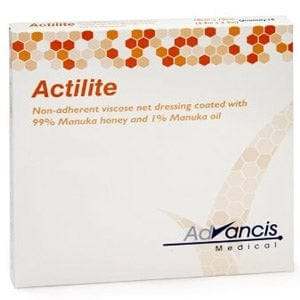
Actilite Manuka Honey Dressing 5cm x 5cm
Medicine & DrugsActilite Manuka Hon...£ 1.73UK delivery soon
Order within 2h 14m
In Stock
Authentic 30-day returns 12 viewing -
 Quick view
Actilite
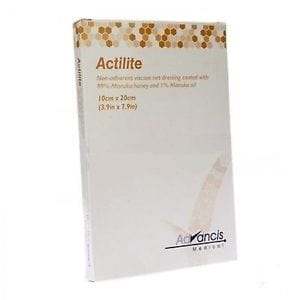
Actilite Manuka Honey Dressing 10cm x 20cm
Medicine & DrugsManuka Honey£ 4.45UK delivery soon
Order within 2h 14m
In Stock
Authentic 30-day returns 12 viewing -
 Quick view
Actilite
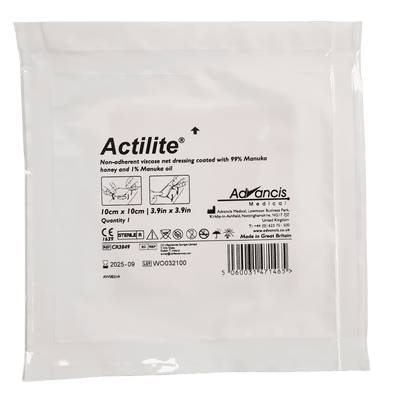
Actilite Manuka Honey Dressing 10cm x 10cm
Medicine & DrugsActilite Manuka Hon...£ 2.29UK delivery soon
Order within 2h 14m
Out of stock
Authentic 30-day returns 12 viewing
Actilite
Actilite dressings are honey-based wound contact layers designed to support a clean healing environment for minor cuts, grazes, burns, and more complex wounds where gentle protection matters. These dressings sit directly on the wound surface to help maintain an ideal moisture balance, reduce dressing adherence, and support comfortable dressing changes.
Across everyday first-aid needs and more sensitive skin scenarios, Actilite offers a practical approach to wound care by combining a soft, non-adherent structure with the naturally soothing qualities commonly associated with medical-grade Manuka honey dressings. You can purchase Actilite dressings online for home use or clinical replenishment, with convenient delivery options available on Welzo.
What is Actilite?
Actilite is a range of wound dressings that use Manuka honey within a light, non-adherent dressing format. The purpose is to provide a protective wound contact layer that helps support moist wound healing, while aiming to reduce trauma when removing and replacing the dressing. Actilite dressings are typically used as part of a broader wound-care routine, where a secondary dressing may be applied over the top depending on exudate level and wound type.
Benefits and Features of the Welzo Actilite Collection
- Non-adherent contact layer: Designed to minimise sticking, helping make dressing changes more comfortable.
- Supports a moist healing environment: Helps protect the wound surface while promoting conditions that support tissue repair.
- Versatile use cases: Commonly selected for cuts, grazes, minor burns, ulcers, pressure areas, and post-procedure wound protection (where appropriate).
- Compatible with layered care: Can be paired with a suitable secondary dressing based on exudate and location.
- Convenient sizing options: Often available in multiple sizes to suit different wound areas and dressing plans.
Why is Actilite Important?
Wound healing is influenced by protection, moisture balance, and minimising repeated disruption during dressing changes. A dressing that supports a stable wound environment can be particularly useful when skin is delicate, the wound is in a friction-prone area, or the user needs frequent changes.
Actilite is often chosen when people want a gentle wound contact layer that can form part of a consistent care routine. For broader wound management needs, some shoppers also explore complementary essentials in Wound Care and First Aid.
Best Products in Actilite
The “best” Actilite option depends on wound size, placement, and how often you need to change dressings. In general, smaller sizes are helpful for minor cuts and grazes, while larger formats can suit wider areas or dressing coverage plans.
- Smaller dressings: Practical for small wounds, nicks, and minor burns where coverage needs are minimal.
- Medium-to-large dressings: Useful for larger wound surfaces or where coverage needs to extend beyond the wound edge.
If you’re building a broader kit, you may also want to keep staples like Plasters and Bandages on hand for everyday protection and securing layers.
How to Use Actilite?
Always follow the instructions on the specific product and any clinician guidance. As a general approach:
- Wash your hands and prepare a clean surface for dressing changes.
- Gently clean the wound as advised and pat the surrounding skin dry.
- Apply Actilite as the wound contact layer (ensure it covers the wound area appropriately).
- Add a suitable secondary dressing if needed (based on exudate and location) and secure in place.
- Change at a frequency appropriate for the wound and dressing plan.
For hygiene-focused routines, many users also keep supportive items such as Disposable Gloves available for cleaner dressing changes.
Are there any side effects or interactions of Actilite?
Actilite products are not suitable for everyone. Potential considerations can include sensitivity to honey, bee-related products, or components of the dressing material. Some people may notice temporary stinging or discomfort when applying honey-based dressings, particularly on sensitive wounds.
Seek medical advice if you experience persistent pain, worsening redness, swelling, unusual discharge, fever, or if the wound is not improving. If you need antiseptic options as part of your routine (where appropriate), explore Antiseptics for supporting wound hygiene.
What Are the Different Types of Actilite Available?
Actilite options typically vary by:
- Size and shape: To match different wound areas and coverage needs.
- Format and weave/structure: Designed to remain gentle on the wound surface while allowing exudate transfer to a secondary dressing.
- Pack size: Depending on whether you’re replenishing a home kit or stocking for repeated use.
For related honey-based wound products and comparisons, some users also browse Manuka Honey ranges to understand the wider category.
What Are the Most Popular Actilite Products Available?
Most shoppers gravitate toward “everyday sizes” that fit common wound areas (hands, arms, legs) and are easy to store in a home kit. Larger sizes can be popular for broader wound coverage needs or when users prefer fewer overlaps and simpler placement.
If you’re updating a complete home health setup, you may also find it useful to browse Medical Equipment for practical additions that support at-home care routines.
Statistics, Research, Expert Information, and Quotes on Actilite
Manuka honey has been widely discussed in clinical literature for its antimicrobial activity and its role in wound-care contexts, particularly in supporting a favourable wound environment. However, outcomes depend on wound type, infection risk, comorbidities, and overall wound-care planning.
For deeper background reading on Manuka honey product categories, you may find this Welzo guide helpful: Top 5 Manuka Honey Brands of 2025, Reviewed by Nutritionists.
How We Select Our Actilite Collection on Welzo
- Relevance to wound-care needs: We prioritise products that are suited to common dressing routines and different wound sizes.
- Clear product specifications: Size options, usage guidance, and intended dressing role (contact layer vs secondary dressing support).
- Quality-focused sourcing: We look for products aligned with expectations for wound-care materials and consistent manufacturing standards.
- Range coverage: We aim to provide options that work for both everyday first-aid and more targeted dressing requirements.
Trusted by Experts and Verified Actilite Quality on Welzo
Wound dressings work best when chosen appropriately for the wound type and used consistently within a sensible care plan. If you’re unsure which dressing format is right, consider speaking with a qualified professional—especially for diabetic foot concerns, pressure ulcers, burns, or wounds that are not healing.
On Welzo, we aim to make it easier to access trusted wound-care options online with clear guidance and convenient purchasing.
Customer Reviews
To read verified customer feedback and shopping experiences, visit our reviews page: Welzo Reviews.
Internal Links to Trust Pages
- Welzo Staff
- Ingredient Quality & Purity Certifications
- Supplement Quality Standards & Certifications
Related Categories You May Find Useful
If you’re tailoring a complete wound-care routine, these related categories can help you match the right supporting products to your needs without overcomplicating your kit. For day-to-day skin support around minor injuries, browse Body Skincare. For areas prone to dryness or friction during dressing wear, options in Moisturisers can be useful (avoid applying directly on open wounds unless specifically intended). If you’re managing skin conditions alongside wound protection, you may also find relevant support in Eczema care ranges (where appropriate).
FAQs (Frequently Asked Questions)
What are Actilite dressings used for?
Actilite dressings are typically used as a wound contact layer to help protect the wound surface, support a moist healing environment, and reduce adherence during dressing changes.
Can Actilite be used on minor burns and grazes?
Actilite is commonly selected for minor burns and grazes, but suitability depends on burn severity and wound condition. Seek medical advice for significant burns or worsening symptoms.
Is Actilite suitable for sensitive or fragile skin?
Many people choose non-adherent contact layers when skin is delicate. However, individual sensitivity varies, so discontinue use if irritation occurs and seek professional guidance.
How often should I change an Actilite dressing?
Change frequency depends on wound type, exudate level, and your wider dressing plan. Always follow the product instructions and any clinician advice.
Can I use Actilite with a secondary dressing?
Yes—Actilite is often used with a suitable secondary dressing on top, chosen according to exudate and the wound’s location.
Does Actilite help with wound odour?
Honey-based dressings are often used in wound-care routines where odour control is a concern, but results depend on the underlying wound cause and hygiene practices.
Can Actilite be used for diabetic foot wounds?
Diabetic wounds need careful assessment and monitoring. Use wound dressings only under appropriate guidance and seek medical support promptly for any diabetic foot concerns.
Is Actilite safe if I have a honey or bee-related allergy?
If you have a known allergy to honey or bee-related products, avoid honey-based dressings unless a clinician confirms suitability for your situation.
Can Actilite be used on infected wounds?
If a wound is infected or you suspect infection, seek medical advice. Dressing choice should align with a proper clinical assessment and treatment plan.
What size Actilite dressing should I choose?
Choose a size that covers the wound adequately with appropriate margins, without excessive overlap that can bunch or shift. For uncertain cases, a clinician can advise on the best fit.
 Rated Excellent by 28,951+ Reviews
 100% Money Back Guarantee