
Your cart is empty
This quantity of item cannot be added to the cart
Continue shopping
Ashton & Parsons Teething & Infant Oral Products
4.8on Trustindex
browsing now
Order before 2pm for same-day dispatch
2766+ orders this week
-
 Quick view
Ashton & Parsons
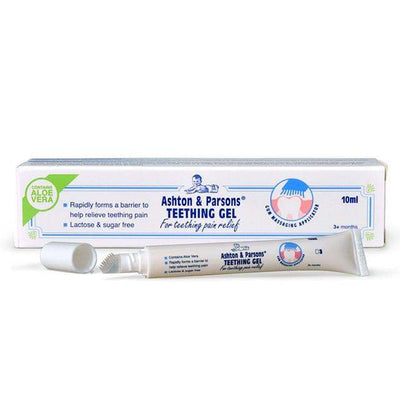
Ashton & Parsons Teething Gel
Oral Care£ 6.80UK delivery soon
Order within 2h 14m
In Stock
Authentic 30-day returns 12 viewing -
 Quick view
Ashton & Parsons
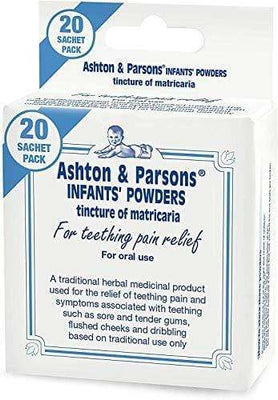
Ashton & Parsons Powders
Oral Care£ 6.47UK delivery soon
Order within 2h 14m
In Stock
Authentic 30-day returns 12 viewing
Ashton & Parsons Teething & Infant Oral Products
Ashton & Parsons is a long-standing British teething brand trusted by parents since 1867. The range includes gentle teething powders and gum gel designed to soothe sore gums, dribbling, irritability and disturbed sleep during infants’ early teething stages. Formulated using traditional herbal ingredients, Ashton & Parsons remains one of the UK’s most widely used natural teething solutions.
What is Ashton & Parsons?
Ashton & Parsons provides mild teething relief through herbal-based powders and topical gels. The formulations are designed to soothe tender gums, reduce irritability and support comfort during early tooth eruption. Products are suitable for most infants and can be used alongside items from our Teething, Children’s Pain Relief and Baby Skin Conditions collections.
Common symptoms Ashton & Parsons can help with
- Sore, swollen or tender gums.
- Flushed cheeks and increased dribbling.
- General irritability or unsettled sleep.
- Chewing, biting and gum-rubbing behaviours.
- Dribble rash, which may be supported with products from our baby skincare range.
Benefits and features of Ashton & Parsons products
- Gentle herbal formulation: Traditionally used chamomile extract to soothe discomfort.
- Trusted by families for over 150 years: A heritage brand in UK baby care.
- Two formats available: Oral powder sachets and topical teething gel.
- Non-medicated approach: Suitable for parents preferring milder options.
- Suitable for infants: Age-specific dosing guidelines for safety.
How to use Ashton & Parsons safely
General usage guidance includes:
- Teething powders: Typically suitable for babies 3 months+. Administer the directed amount gently onto the tongue.
- Teething gel: Apply a small amount with a clean finger directly to the gums.
- Do not exceed the recommended number of daily doses.
- If symptoms worsen or do not improve within 7 days, consult a clinician.
When to seek medical advice
- If your baby develops a fever, rash or persistent crying.
- If symptoms last longer than one week.
- If your child has known allergies to herbal ingredients.
- If the gums appear infected, swollen or bleeding.
When Ashton & Parsons may not be suitable
- Babies under 3 months old.
- Children with known allergies to chamomile or related plants.
- Babies with diagnosed lactose intolerance (some powders may contain lactose).
Why choose a herbal teething remedy?
Herbal teething remedies offer a milder, traditional approach to gum comfort compared with stronger medicated gels. Many parents prefer herbal solutions during early or mild teething episodes, especially when used alongside drool-rash care, teething toys and products in our Baby & Child Health range.
Types of Ashton & Parsons products
- Teething Powders — herbal sachets for oral administration.
- Teething Gel — topical gum-soothing gel for local relief.
Ashton & Parsons compared with other teething remedies
Compared with stronger medicated gels, herbal teething powders offer a milder, more traditional approach. Parents may prefer Ashton & Parsons for daytime or early teething, while stronger options from our children’s pain relief section can be considered for more intense discomfort under professional guidance.
Welzo editorial standards
All baby-health content is written by trained medical writers and reviewed by GMC-registered clinicians. This information supports informed decision-making but is not a replacement for medical advice.
FAQs about Ashton & Parsons
From what age can my baby use Ashton & Parsons?
Most products are suitable from 3 months+, but always check the packaging.
How often can the powders be given?
Usually morning and evening, up to the stated maximum daily doses.
Can I use powders and gel together?
Yes — many parents use powders in the daytime and gel at night, following label instructions.
Is this a medicated or herbal product?
It is a traditional herbal remedy, not a strong medicated anaesthetic.
Is this medical advice?
No — always consult your GP or pharmacist for personalised infant care advice.
Medical disclaimer: This content is for educational purposes only and does not replace professional medical guidance. Always follow the instructions on your product packaging.
 Rated Excellent by 26,523+ Reviews
 100% Money Back Guarantee