
Your cart is empty
This quantity of item cannot be added to the cart
Continue shopping
Ear Infection Products
4.8on Trustindex
browsing now
Order before 2pm for same-day dispatch
2766+ orders this week
-
 Quick view
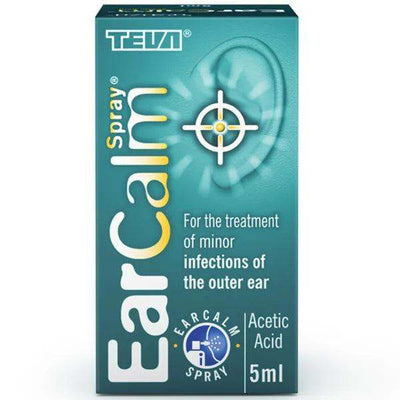
Earcalm
Earcalm Spray 5ml
Medicine & DrugsEach metered dose c...£ 10.46UK delivery soon
Order within 2h 14m
In Stock
Authentic 30-day returns 12 viewing -
 Quick view
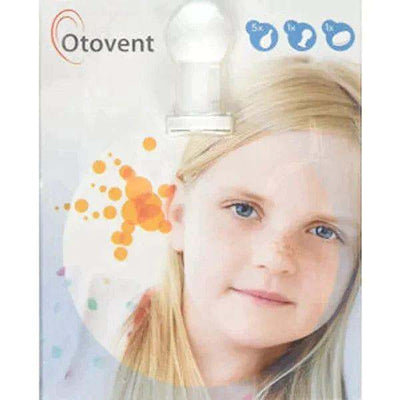
Otovent
Otovent Glue Ear Treatment
Ear Wax Removal Kits£ 15.66UK delivery soon
Order within 2h 14m
In Stock
Authentic 30-day returns 12 viewing -
 Quick view
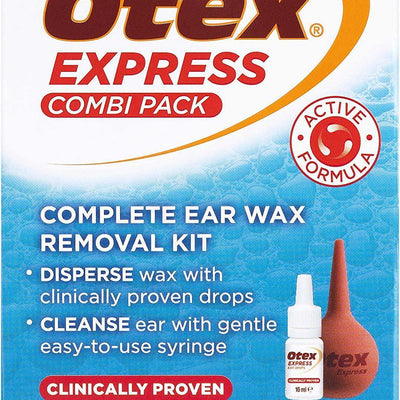
Otex
Otex Express Combi Pack
Ear Wax Removal Kits£ 9.02UK delivery soon
Order within 2h 14m
In Stock
Authentic 30-day returns 12 viewing -
 Quick view
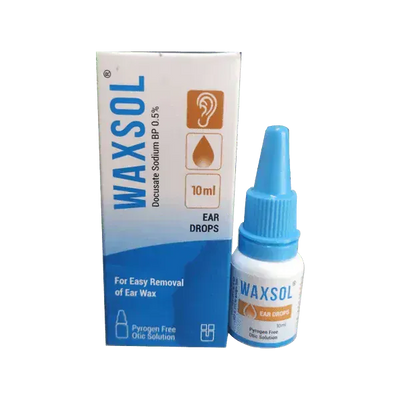
Waxsol
Waxsol Ear Drops 10ml
Ear Drops£ 7.20UK delivery soon
Order within 2h 14m
In Stock
Authentic 30-day returns 12 viewing -
 Quick view
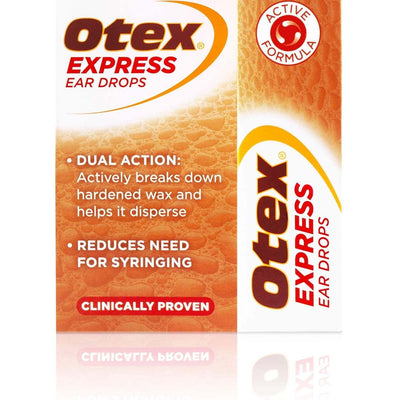
Otex
Otex Express Ear Drops 10ml
Ear Drops£ 7.63UK delivery soon
Order within 2h 14m
In Stock
Authentic 30-day returns 12 viewing -
 Quick view
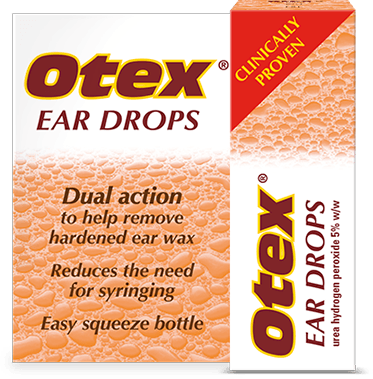
Otex
Otex Ear Drops 8ml
Ear Drops£ 7.12UK delivery soon
Order within 2h 14m
In Stock
Authentic 30-day returns 12 viewing -
 Quick view
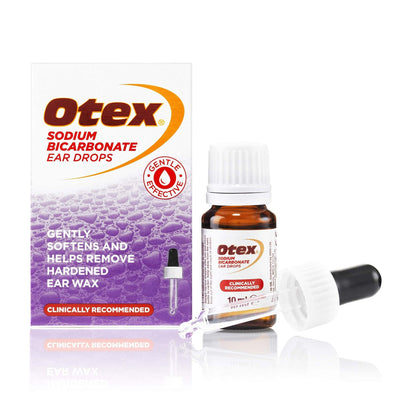
Otex
Otex Sodium Bi-carbonate Ear Drops 10ml
Ear Drops£ 6.25UK delivery soon
Order within 2h 14m
In Stock
Authentic 30-day returns 12 viewing -
 Quick view
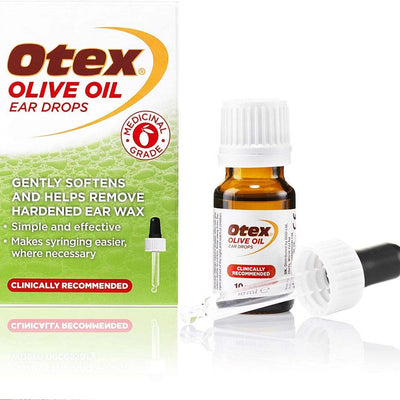
Otex
Otex Oliveoil Ear Drops 10ml
Ear DropsEP grade virgin oli...£ 4.75UK delivery soon
Order within 2h 14m
In Stock
Authentic 30-day returns 12 viewing -
 Quick view
Pharmacy
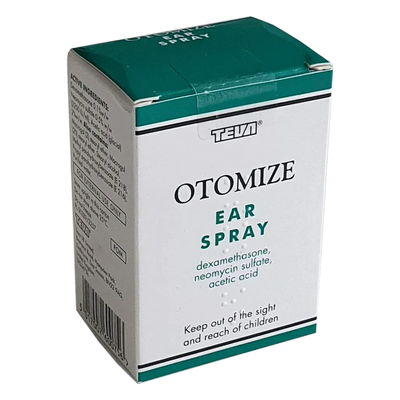
Otomize Ear Spray
Medicine & Drugs£ 15.99UK delivery soon
Order within 2h 14m
Out of stock
Authentic 30-day returns 12 viewing -
 Quick view
Safe & Sound
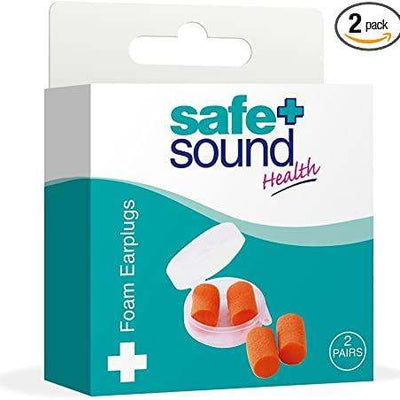
Safe & Sound Foam Earplugs 2 Pairs
Earplugs£ 3.20UK delivery soon
Order within 2h 14m
Out of stock
Authentic 30-day returns 12 viewing -
 Quick view
Otadrop
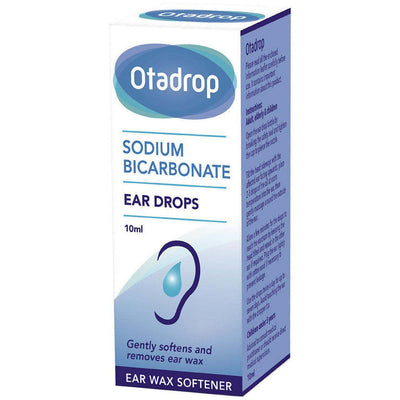
Otadrop Sodium Bi-carbonate Ear Drops
Ear Drops£ 1.50UK delivery soon
Order within 2h 14m
Out of stock
Authentic 30-day returns 12 viewing -
 Quick view
Otadrop
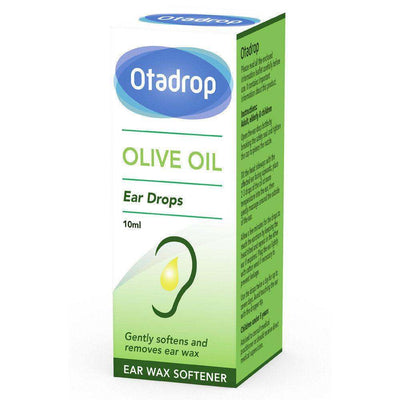
Otadrop Oliveoil Ear Drops
Ear Drops£ 1.00UK delivery soon
Order within 2h 14m
Out of stock
Authentic 30-day returns 12 viewing
Ear Infection Products
Ear infection products help relieve pain, reduce inflammation, soothe irritation and support healing when the ear is affected by bacterial or viral infection, wax build-up, or allergic reaction. These products range from ear drops to wax-softening solutions and supportive accessories for ear-care hygiene. People browsing this collection often explore related categories such as ear care, ear infection treatments, and wound care when dealing with persistent or severe symptoms.
What Are Ear Infection Products?
This category includes antibacterial or antiseptic ear drops, wax-softening oils or drops, saline or cleaning solutions for ear hygiene, ear syringes for gentle irrigation, and soothing ear balms or sprays for irritation relief. Some products also help prevent secondary infections by maintaining cleanliness and supporting ear canal health.
Benefits & Uses
- Relief from pain and discomfort: Drops and balms soothe inflammation, itching and pressure.
- Antiseptic action: Antibacterial/antifungal drops can help control infection when used early.
- Wax softening and removal support: Helps maintain ear hygiene and prevent blockages that can mimic infection symptoms.
- Safe hygiene practices: Non-abrasive, patient-safe products designed for delicate ear canal skin.
- Prevention of recurrent issues: Regular care can reduce risk of repeated infections or irritation, especially in allergy-prone or eczema-prone individuals.
Expert Advice & Evidence-Based Guidance
ENT (ear, nose and throat) specialists often recommend early intervention at the first sign of ear discomfort, especially symptoms like pain, discomfort, itching, discharge or hearing muffling. According to a clinical guideline on ear-infection management, using medicated drops early can reduce symptom duration and lower the risk of complications. Hygiene is also emphasised: clean hands before use, avoid introducing foreign objects into the ear, and follow instructions strictly. Overuse or misuse may lead to irritation or worsen symptoms.
When to Use Ear Infection Products
- At first symptoms of ear pain, itching, blockages, or discharge.
- When wax build-up causes muffled hearing or discomfort — using wax-softening drops before gentle irrigation.
- After exposure to water (swimming) in sensitive ears to prevent swimmer’s ear.
- When recovering from a diagnosed ear infection — to maintain hygiene and support healing.
- During allergy season if ears get irritated from pollen or dust exposure.
Common Types of Products in This Category
- Antiseptic/Antibiotic ear drops or sprays – for bacterial or fungal ear infections.
- Wax softening drops or oils – to ease wax build-up and prevent blockages.
- Saline or cleansing ear solutions – for gentle ear hygiene and minor irritation.
- Ear syringes or irrigators – to help flush out softened earwax under safe conditions.
- Soothe & moisturise balms or sprays – for irritation caused by dryness, allergies or frequent cleaning.
How to Use Ear Infection Products Safely & Effectively
- Always wash hands thoroughly before handling your ears or drops. - Use products as per instructions: typically a few drops 2–4 times a day. - Do not insert cotton buds deep into the ear canal — this can worsen infections or push wax deeper. - For wax removal: use softening drops then gently flush with warm water or a sterile syringe, as directed. - Avoid using ear drops if the eardrum is perforated unless specifically indicated. - If symptoms worsen, last more than a few days, or include severe pain, discharge, dizziness or hearing loss — seek medical advice immediately.
When to Seek Professional Help (Doctors & Specialists)
Seek medical attention if:
- Pain intensifies or becomes throbbing
- Discharge or bleeding occurs from the ear
- Hearing loss, dizziness or balance issues appear
- You suspect eardrum damage (after loud noise or trauma)
- Infection persists beyond a few days despite treatment
Related Welzo Collections
Customers browsing Ear Infection Products often also look at ear care, ear infection treatments, wound care, and medical equipment for accessories such as ear syringes or hygiene kits.
Ear Infection Products FAQs
1. Can I treat a mild ear infection at home?
If symptoms are mild (mild discomfort, no discharge or hearing loss), antiseptic ear drops and rest may help — but monitor closely and seek care if symptoms worsen.
2. Are wax-softening drops safe for children?
Some are, but only use drops specified for infants/toddlers and follow age guidance carefully.
3. Is it OK to irrigate ears at home?
Yes — but only after using softening drops and with proper technique. Avoid if you suspect a damaged eardrum or have had ear surgery.
4. Can ear drops cause side effects?
Possible — overuse may irritate skin, and allergic reactions can occur. Discontinue if pain, rash or worsening irritation occurs.
5. Can I use ear infection drops if I have a perforated eardrum?
No — avoid unless the product clearly states it's safe for perforated eardrums. Always consult a doctor first.
6. How long until relief?
Mild discomfort may ease within 24–48 hours, but full recovery can take several days. If no improvement after 5–7 days, consult a professional.
7. Can frequent swimming cause ear infections?
Yes — water trapped in the ear can encourage bacterial growth. Use gentle ear-drying drops or sprays after swimming to reduce risk.
8. Are there products to prevent ear infections?
Regular ear-care hygiene (gentle cleaning, avoiding cotton buds) and occasional use of ear-drying sprays after swimming or water exposure may help lower the risk.
9. Is wax build-up the same as ear infection?
No — wax build-up causes blockage symptoms but is not an infection; softening drops and gentle cleaning can help, but if pain or discharge appears treat as possible infection.
10. When should I avoid OTC ear drops?
If you have ear surgery, known eardrum perforation, chronic ear disease or you’re unsure — always seek professional advice first.
 Rated Excellent by 28,951+ Reviews
 100% Money Back Guarantee